


Follow us
Roofing Companies Near Me Roof Repair Roofers Near Me Roof Installation Roof Repair Near Me Roofing Contractor Siding Installation Roof Replacement Near Me Roofing Near Me Roofing Contractors Near Me Roof Inspection Siding Contractors Near Me Roof Installation Near Me Siding Companies Near Me Roofing Contractor Near Me Window Replacement Companies Near Me Roofing And Siding Contractors Near Me Masonry Contractor Near Me Yelp Roofing Companies Near Me Roof Repair Roofers Near Me Roof Installation Roof Repair Near Me Roofing Contractor Siding Installation Roof Replacement Near Me Roofing Near Me Roofing Contractors Near Me Roof Inspection Siding Contractors Near Me Roof Installation Near Me Siding Companies Near Me Roofing Contractor Near Me Window Replacement Companies Near Me Roofing And Siding Contractors Near Me Masonry Contractor Near Me Roofing Companies Near Me Roof Repair Roofers Near Me Roof Installation Roof Repair Near Me Roofing Contractor Siding Installation Roof Replacement Near Me Roofing Near Me Roofing Contractors Near Me Roof Inspection Siding Contractors Near Me Roof Installation Near Me Siding Companies Near Me Roofing Contractor Near Me Window Replacement Companies Near Me Roofing And Siding Contractors Near Me Masonry Contractor Near Me Roofing Companies Near Me Roof Repair Roofers Near Me Roof Installation Roof Repair Near Me Roofing Contractor Siding Installation Roof Replacement Near Me Roofing Near Me Roofing Contractors Near Me Roof Inspection Siding Contractors Near Me Roof Installation Near Me Siding Companies Near Me Roofing Contractor Near Me Window Replacement Companies Near Me Roofing And Siding Contractors Near Me Masonry Contractor Near Me Roofing Companies Near Me Roof Repair Roofers Near Me Roof Installation Roof Repair Near Me Roofing Contractor Siding Installation Roof Replacement Near Me Roofing Near Me Roofing Contractors Near Me Roof Inspection Siding Contractors Near Me Roof Installation Near Me Siding Companies Near Me Roofing Contractor Near Me Window Replacement Companies Near Me Roofing And Siding Contractors Near Me Masonry Contractor Near Me Roofing Companies Near Me Roof Repair Roofers Near Me Roof Installation Roof Repair Near Me Roofing Contractor Siding Installation Roof Replacement Near Me Roofing Near Me Roofing Contractors Near Me Roof Inspection Siding Contractors Near Me Roof Installation Near Me Siding Companies Near Me Roofing Contractor Near Me Window Replacement Companies Near Me Roofing And Siding Contractors Near Me Masonry Contractor Near Me Youtube

Stonework in Arlington Heights, Illinois

Stone is one of the most durable materials you can put on a home or commercial property. It handles Illinois weather, holds its appearance for decades, and adds structural weight and visual permanence that no other exterior material matches. But stonework in Arlington Heights is only as good as the contractor who installs it. Wrong mortar selection, poor base preparation, or incorrect drainage planning turns a beautiful stone project into a freeze-thaw failure within a few winters. Amsterdam Enterprises has been installing and restoring stonework in Arlington Heights since 1982. We’re a licensed masonry and exterior contractor serving the area Monday through Friday — call us for a free on-site estimate.

Stonework and Masonry Are Related — But They Are Not the Same Thing

roofing companies near me roof repair roofers near me roof installation roof repair near me roofing contractor siding installation roof replacement near me roofing near me roofing contractors near me roof inspection siding contractors near me roof installation near me siding companies near me roofing contractor near me window replacement companies near me roofing and siding contractors near me masonry contractor near me, Cracked mortar, spalling brick, or failed joints? Amsterdam Enterprises provides expert brick repair in Arlington Heights — repointing, single brick replacement, and masonry restoration. Licensed contractor since 1982. Free estimates available.

Homeowners searching for stonework help often run into the word “masonry” and wonder if they’re looking for the same thing. The short answer: masonry is the broader category. Stonework is a specialty within it.


Masonry covers all construction work using brick, stone, concrete block, and mortar. A masonry contractor works across all of those materials. That doesn’t mean every masonry contractor has deep experience with stone — brick and block work are different skills from cutting, fitting, and setting natural or manufactured stone.


Stonework specifically covers projects involving natural stone, manufactured stone veneer, and decorative stone applications. The material handling, mortar requirements, and installation techniques are distinct from brick or block work.


Here’s a quick way to sort it:

Stonework projects:

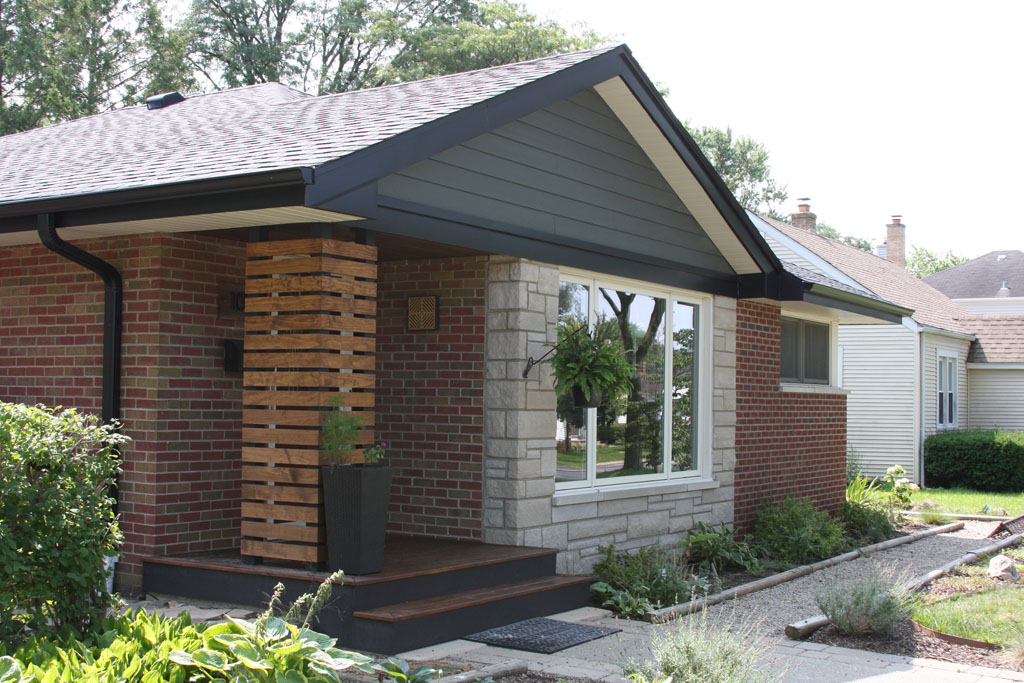
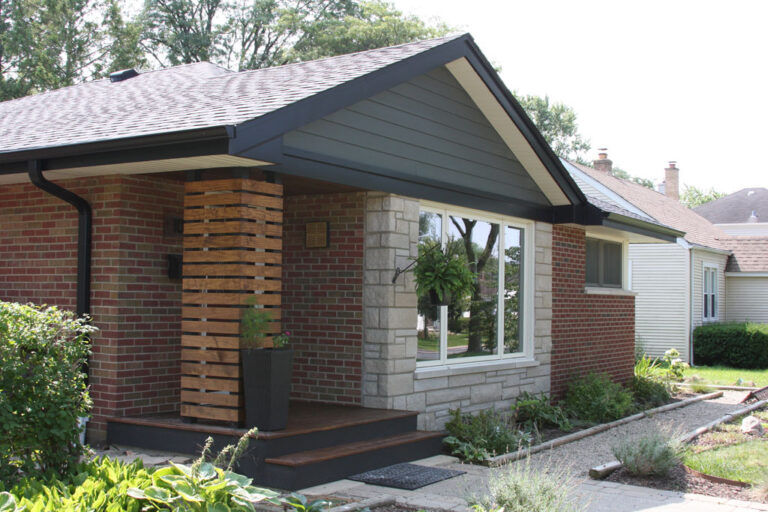
  • Stone veneer facades and accent walls
  • Natural stone retaining walls and garden walls
  • Stone steps and entry features
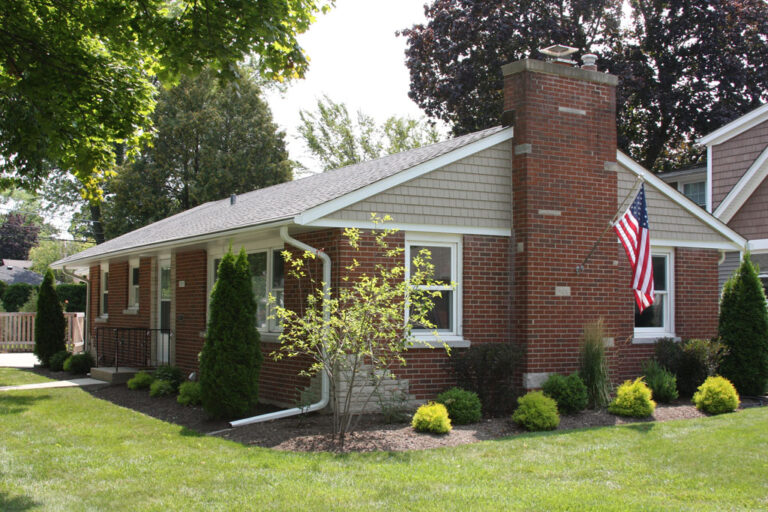
  • Chimney cladding and restoration in stone
  • Outdoor fireplaces and fire pit surrounds
  • Decorative stone columns and pillars


Masonry projects that are not stonework:

  • Brick repair and tuckpointing
  • Concrete block foundation repair
  • Standard mortar joint repointing on brick walls


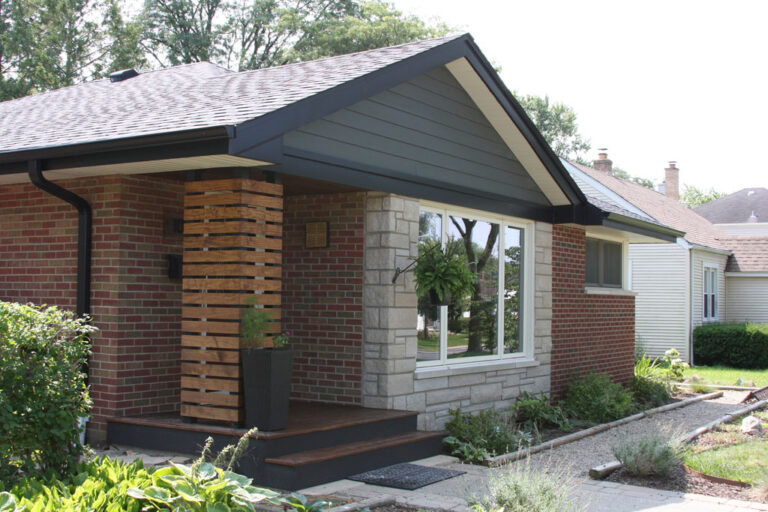
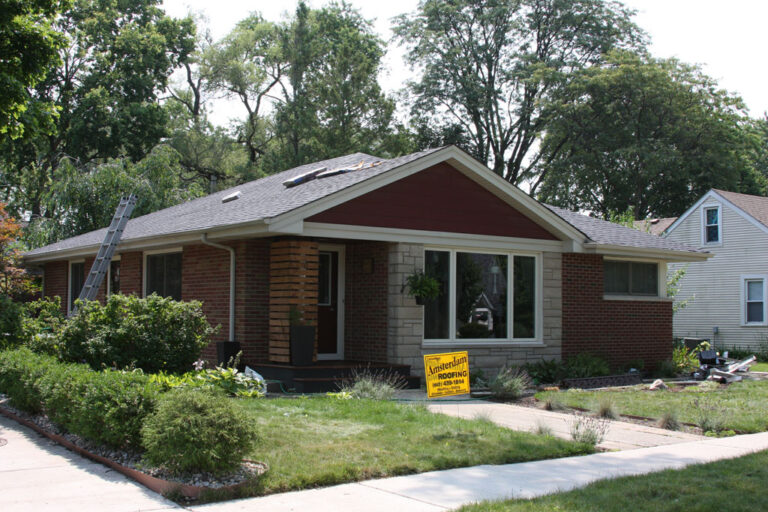
Many Arlington Heights homes combine both — a brick structure with stone veneer accents, or a brick chimney with a stone base. A licensed contractor who handles both masonry and stonework covers the full scope without hand-offs between trades.

The Three Main Types of Stonework and Which One Fits Your Project

Not all stonework is the same. The three main categories differ in material, technique, and appropriate application. Knowing which one applies to your project gets the estimate conversation started on the right foot.

Rubble masonry Rubble masonry uses irregular, uncut stones stacked with mortar to form walls and structures. The stones aren’t shaped to fit — they’re selected and arranged to lock together naturally. This is the method used for rustic retaining walls, garden walls, fieldstone foundations, and informal landscape structures. It has a natural, unfinished look and works well for projects where organic character matters more than precision lines.

Ashlar masonry Ashlar masonry uses cut and dressed stone laid in regular, horizontal courses — similar to how brick is laid, but with stone. The stones are shaped to consistent dimensions before installation, which produces clean lines and precise joints. Ashlar is used for formal facades, architectural features, steps with dressed edges, and decorative columns. It’s the most labor-intensive stonework type and produces the most refined finished appearance.

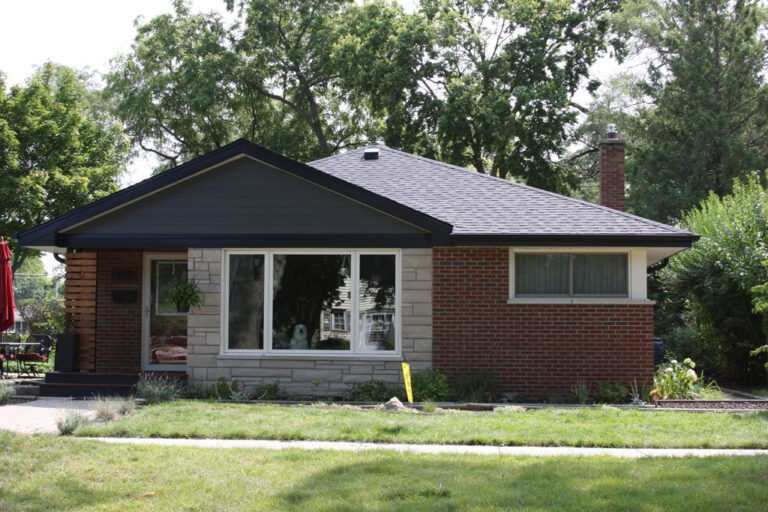
Veneer masonry Stone veneer applies thin panels of natural or manufactured stone to a structural backing — typically a concrete block wall, a wood-framed wall with appropriate substrate, or an existing exterior surface. The stone itself isn’t load-bearing. It’s a cladding layer. Veneer is by far the most common stonework application on Arlington Heights residential properties. It’s lighter than full-depth stone, faster to install, and available in a wide range of natural and manufactured options.

Historic properties near the Scarsdale Historic District in downtown Arlington Heights often feature original ashlar limestone or fieldstone construction from the early 20th century. Restoration work on these structures requires matching the original stone type as closely as possible and using lime-based mortar that matches the original composition. Modern Portland cement mortar is too rigid for soft historic stone — it transfers movement stress to the stone face instead of the joint, and causes spalling over time.

How Stonework Gets Done — From Site Prep to Final Finish

For homeowners who want to understand exactly what happens on-site, here’s the installation sequence for a professional stonework project.

masonry restoration, brick repair

Step 1 — Site assessment and drainage check

Before any material arrives, the site is assessed for grade, drainage, and substrate condition. Water management around stone is not an afterthought — it’s built into the design. A retaining wall that holds water behind it instead of draining it fails regardless of how well the stone is set.

tuckpointing services, tuckpointing near me

Step 2 — Base preparation

Every stone project starts with a proper base. Retaining walls get a compacted gravel base below frost depth — in Illinois, that means going deep enough to get below the freeze line. Steps get a concrete footing. Veneer applications get substrate inspection and any necessary repairs before stone is applied.

roofing companies near me roof repair roofers near me roof installation roof repair near me roofing contractor siding installation roof replacement near me roofing near me roofing contractors near me roof inspection siding contractors near me roof installation near me siding companies near me roofing contractor near me window replacement companies near me roofing and siding contractors near me masonry contractor near me, stonework

Step 3 — Dry layout

For rubble and ashlar projects, stones are arranged without mortar first. This dry run confirms fit, visual balance, and coursing before anything is permanently set. Changes are easy to make at this stage. They are not easy to make after mortar has cured.

tuckpointing near me, brick repair

Step 4 — Setting

Stones are set in a mortar bed from the bottom course up. Each stone is checked for level and plumb. Mortar is applied to the back of the stone and the setting surface — full coverage, no voids. Voids behind stone trap water and become freeze-thaw failure points.

tuckpointing near me, what is tuckpointing?

Step 5 — Jointing

After stones are set and mortar has stiffened to the right consistency, joints are packed and tooled. The joint profile determines how water runs off the wall surface. A correctly tooled joint sheds water away from the stone face. A flat or proud joint catches it.

masonry repair

Step 6 — Cure, cleanup, and final inspection

Mortar cures over several days. During that window the work is protected from rain and temperature extremes where possible. After cure, the site is cleaned and a final inspection confirms joint integrity, alignment, and drainage performance.

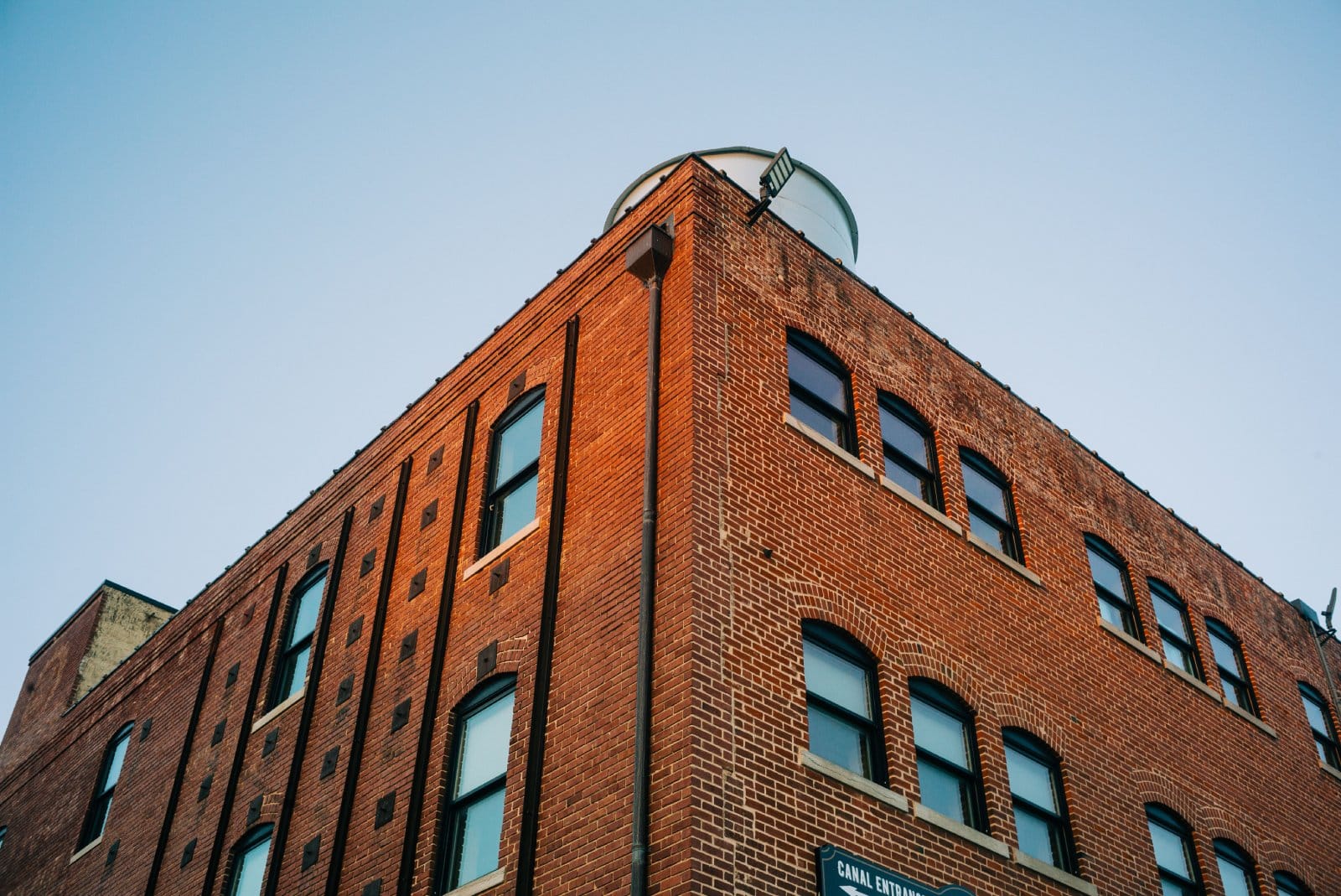
Commercial and mixed-use properties near Downtown Arlington Heights often feature stone facades adjacent to existing brick construction. When both materials are present, the contractor sequences stone and brick work together — keeping mortar joints, coursing lines, and material transitions consistent across the full facade. Mismatched sequencing leaves visible seams and inconsistent joint profiles.

What to Expect From a Professional Stonework Project in Arlington Heights

If you haven’t had stonework done before, knowing what the process looks like helps you prepare and avoids surprises. Here’s a straightforward walkthrough of what a professional stonework project involves from first contact to finished installation.

The estimate visit A contractor comes to the site and assesses the project in person. For stonework, that means looking at the substrate condition, drainage patterns, grade at the base, any existing stone or masonry to match, and the structural requirements of the project. An estimate done without a site visit is not a real estimate — it’s a guess.

Material sourcing Natural stone requires lead time. Regional varieties, salvage stone for restoration work, and specialty cuts need to be ordered before the job starts. Manufactured stone veneer is more readily available but still needs to be confirmed in stock for your project scope. Material selection happens at or shortly after the estimate visit.

Site and base preparation No stone goes in before the base is right. Retaining walls need a compacted gravel base and proper drainage behind the wall. Steps need a concrete footing. Veneer applications need a clean, structurally sound substrate. Skipping or rushing base prep is the primary reason stone projects fail early.

Installation Stone is set from the bottom course up, with each course checked for level, plumb, and alignment. For rubble and ashlar work, stones are dry-laid first — arranged without mortar to confirm fit and pattern before anything is permanently set. Joints are packed and tooled after setting to ensure complete mortar contact and correct water-shedding profile.

Cure time and scheduling Mortar needs several days of moderate temperatures to cure correctly. In Arlington Heights, that means stonework projects need to be completed and fully cured before the first hard freeze. Jobs started too late in the season risk mortar curing in near-freezing conditions — it bonds poorly and fails within the first winter. Spring through early fall is the right window.

Permits Retaining walls above a certain height, structural stone steps, and chimney work in Arlington Heights fall under permit requirements. A licensed contractor pulls the appropriate permits, meets code, and gives you documentation for the work — which matters when you sell the property.

Why Licensed Stonework Contractors Produce Better Results in Arlington Heights

Stonework bids from unlicensed contractors are often lower. There are specific reasons for that — and specific reasons why it costs more in the end.

Permit compliance Structural stonework in Arlington Heights — retaining walls, steps, chimneys — requires permits. A licensed contractor pulls those permits, meets code, and produces documentation. Unlicensed work often skips permits entirely. When the work is discovered during a home sale or by a building inspector, the remedy is typically tear-out and redo at the homeowner’s expense.

Mortar selection Mortar mix is one of the most technically important decisions in stonework. The mortar needs to be slightly softer than the stone it contacts — if it’s harder, movement stress goes into the stone face instead of the joint, and the stone spalls. Getting this wrong is a common unlicensed contractor failure. A licensed masonry professional selects mortar based on stone type, project exposure, and Illinois climate conditions.

Base preparation standards Illinois requires frost footings below the freeze line for structural masonry. An unlicensed contractor may set a beautiful-looking retaining wall on an inadequate base. It holds fine through summer. The first hard freeze heaves it. Base preparation to code depth is not optional — it’s what separates a ten-year wall from a two-year wall.

Insurance coverage A licensed contractor carries general liability and workers’ compensation insurance. If something goes wrong on-site — a worker injury, damage to your property — the contractor’s insurance covers it. Unlicensed work leaves the homeowner exposed. That exposure is real and it’s not theoretical.

Workmanship accountability A licensed contractor with 40+ years in the same market has a reputation to protect. That accountability produces better work and better follow-through when questions arise after the job is done.

Arlington Heights building inspectors review permitted stonework on residential and commercial properties. Licensed work passes. Unlicensed work frequently requires correction — sometimes complete removal — before it passes inspection. The permit fee is not the cost to avoid. The redo is.

How to Protect Stonework and Keep It Looking Good Year After Year

tuckpointing services near me

Stone itself lasts generations. The mortar joints are the maintenance point. A simple annual routine protects the mortar, catches early damage, and keeps the stonework performing through Illinois winters for decades.


Spring — inspect after freeze-thaw season Winter is when stonework damage develops. Walk the stone structures on your property in March or April and look for fresh cracks in mortar joints, any stones that have shifted or lifted, and areas where mortar looks darker or softer than surrounding joints. Catching these in spring means addressing them before summer water events push further damage.


After heavy rain or storms Check retaining walls after significant rainfall — look for any leaning, bulging, or displaced stones at the top courses. These are signs that drainage behind the wall is not performing correctly. Check stone steps after hail events for impact damage on softer stone types like limestone.


Keep vegetation off the stonework Moss, lichen, and climbing plants are common on stone surfaces in shaded yards. Moss holds moisture against mortar joints and accelerates deterioration. Climbing plants force roots into joints and pry them open. Remove organic growth when you see it and keep plants trimmed back from stone walls and steps.


Manage water at the base The base of a stone retaining wall or garden wall is its most vulnerable point. Soil graded toward the wall, mulch beds piled against the stone face, and downspout discharge aimed at the base all keep chronic moisture in contact with the foundation course. Grade soil away from stone structures and keep organic material from sitting against the stone face.


Seal porous stone types Natural limestone and sandstone are porous — they absorb water, and that absorbed water freezes and expands in winter. A penetrating stone sealant reduces water absorption without changing the stone’s appearance. It’s not required on every stone type, but on porous natural stone it extends service life meaningfully.


Professional inspection every 5–7 years Even without visible damage, mortar deteriorates gradually. A professional inspection every several years catches early joint failure before gaps open wide enough to let water into the structure. It’s a small investment that prevents a large one.


Stone retaining walls in the northwest neighborhoods of Arlington Heights sit on clay soil that moves seasonally with moisture content. Frost heave in winter and shrinkage in dry summers apply cyclical stress to wall bases. Spring inspection after the frost season is especially important for these structures — catching a shifted base course early means a repair, not a rebuild.

Frequently Asked Questions (FAQs)

Is masonry the same as stonework in Arlington Heights?

Masonry is the broader trade — it covers brick, stone, concrete block, and mortar work of all kinds. Stonework is a specialty within masonry focused specifically on natural and manufactured stone. Not every masonry contractor specializes in stone. When your project involves stone — veneer, retaining walls, steps, or restoration — confirm the contractor has specific stonework experience, not just general masonry credentials.

Rubble masonry uses irregular uncut stones stacked with mortar — used for rustic retaining walls and garden structures. Ashlar masonry uses cut stone laid in regular courses — used for formal facades and architectural features. Veneer masonry applies thin stone panels to a structural backing — the most common residential application in Arlington Heights. Each type requires different materials, techniques, and base preparation.

Yes for any structural application. Retaining walls, steps, and chimney work fall under Arlington Heights permit requirements. A licensed contractor pulls the permits, meets code, and provides documentation. Unlicensed work on permitted projects is discovered during home sales or inspections and typically requires tear-out and correction at the homeowner’s expense. Licensing also ensures correct mortar selection and base preparation to Illinois frost depth standards.

Stone veneer facades and accent walls, front entry steps, retaining walls, chimney cladding and restoration, garden walls, and outdoor fireplace surrounds. Many Arlington Heights properties combine stone with existing brick exteriors — the same licensed contractor handles both materials and keeps joints and coursing consistent across the full facade.

Natural stone itself lasts for generations — the maintenance point is the mortar joints. Properly installed stonework with correct mortar selection and base preparation lasts 20–50 years before repointing is needed in Illinois climate conditions. The variables that shorten that range are wrong mortar hardness, inadequate base depth, poor drainage, and skipped annual maintenance.

Spring through early fall. Mortar requires moderate temperatures to cure correctly — near-freezing application produces weak bonds that fail in the first winter cycle. Projects should be completed and mortar fully cured before the first hard freeze. Summer is the peak installation season in Arlington Heights; spring and early fall are also good windows for most project types.

Ready to Add Lasting Stonework to Your Arlington Heights Property?

📞 Phone: (847) 439-1814
📱 Text: (847) 429-8885
🌐 Website: amsterdamcontractor.com

Get in Touch Today

Amsterdam Enterprises has been installing and restoring stonework on Arlington Heights homes and commercial buildings since 1982. We’re a licensed, insured masonry and exterior contractor serving the area Monday through Friday.

Or Send Us a Message