



Roofing Contractor: Ultimate 2025 Guide
Why Choosing the Right Roofing Contractor Is Critical for Your Home
A roofing contractor serves as your first line of defense against the elements, protecting one of your most valuable investments – your home. The roofing industry can be complex, with varying levels of expertise, licensing requirements, and service quality that can make or break your project.
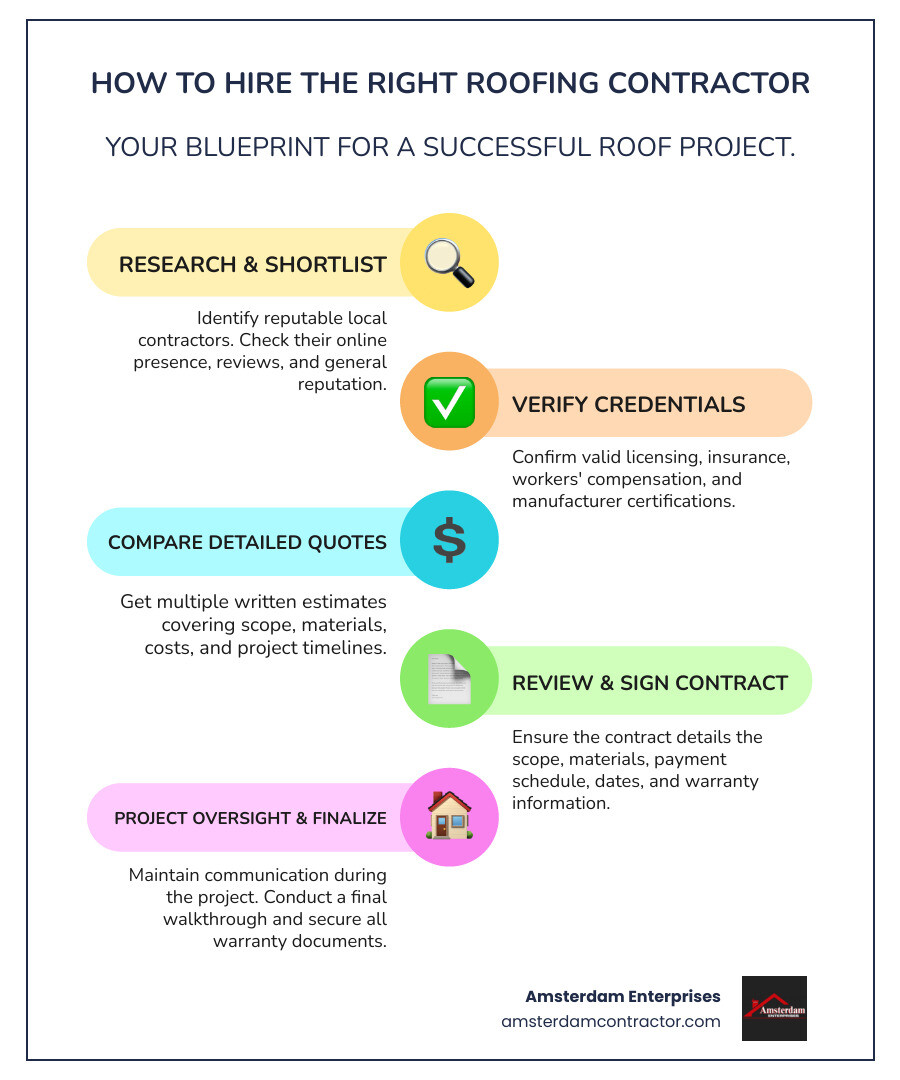
Key contractor qualifications to verify:
- Valid state licensing and local permits
- Current liability insurance ($2 million minimum recommended)
- Workers’ compensation coverage
- Fall Protection certification
- Manufacturer certifications (GAF, CertainTeed, etc.)
- Better Business Bureau accreditation
- Professional association memberships (NFRC, local trade organizations)
Your roof has one job: keeping the outdoors out. But finding the right professional to install, repair, or maintain it requires careful research and due diligence.
Red flags to avoid:
- Door-to-door solicitation after storms
- Requests for full payment upfront
- No local address or references
- Extremely low bids compared to others
- Pressure tactics or “today only” deals
The stakes are high. A poorly installed roof can lead to water damage, structural issues, and costly repairs that far exceed your initial investment. Meanwhile, a quality installation by a certified professional can protect your home for decades.
I’m Gerard Stencel, and with decades of experience in the roofing industry, I’ve seen how the right roofing contractor can transform a homeowner’s experience from stressful to seamless. At Amsterdam Enterprises, we’ve built our reputation on the foundation that no detail is too small when it comes to protecting your family and your investment.
Understanding the Role and Services of a Roofing Contractor
When most homeowners hear “roofing contractor,” they picture someone hammering shingles on a roof. But here’s the thing – we’re actually your home’s protectors, working behind the scenes to keep your biggest investment safe and sound. Think of us as the guardians of your castle, making sure everything above your head is working perfectly.
The truth is, a professional roofing contractor wears many hats throughout your roof’s lifetime. We start with roof installation for new homes, creating that first line of defense against Mother Nature. But our relationship with your roof doesn’t end there.
When life happens – and it always does – we’re there for roof repair. Maybe a storm knocked some shingles loose, or you’ve noticed a small leak after that last heavy rain. We tackle these issues quickly because we know small problems love to grow into big, expensive ones when nobody’s looking.
Sometimes repairs just aren’t enough anymore. When your roof has been faithfully protecting your family for decades, it eventually needs a well-deserved retirement. That’s where roof replacement comes in – giving your home a fresh start with modern materials and updated protection.
But here’s what many people don’t realize: we’re also your emergency responders. Storms don’t wait for business hours, and neither do we. When disaster strikes at 2 AM, experienced contractors are ready to provide emergency tarping and temporary repairs to prevent water from turning your living room into an indoor swimming pool.
Your roof system includes more than just shingles, though. Those gutters working quietly around your roofline? They’re directing thousands of gallons of water away from your foundation every year. That’s why we offer comprehensive gutter installation and replacement services too.
The smartest homeowners also invest in maintenance programs. Think of it like regular checkups for your roof – we catch the little issues before they become wallet-draining disasters.
Signs Your Roof Needs Professional Attention
Your roof talks to you every day – you just need to know its language. Learning to spot the early warning signs can save you thousands of dollars and a lot of headaches down the road.
Water stains and leaks are your roof’s way of waving a white flag. Those brown spots on your ceiling or walls aren’t just ugly – they’re telling you water has found a way inside. Ignore them, and you might end up dealing with mold, rot, or structural damage that makes the original leak look like pocket change.
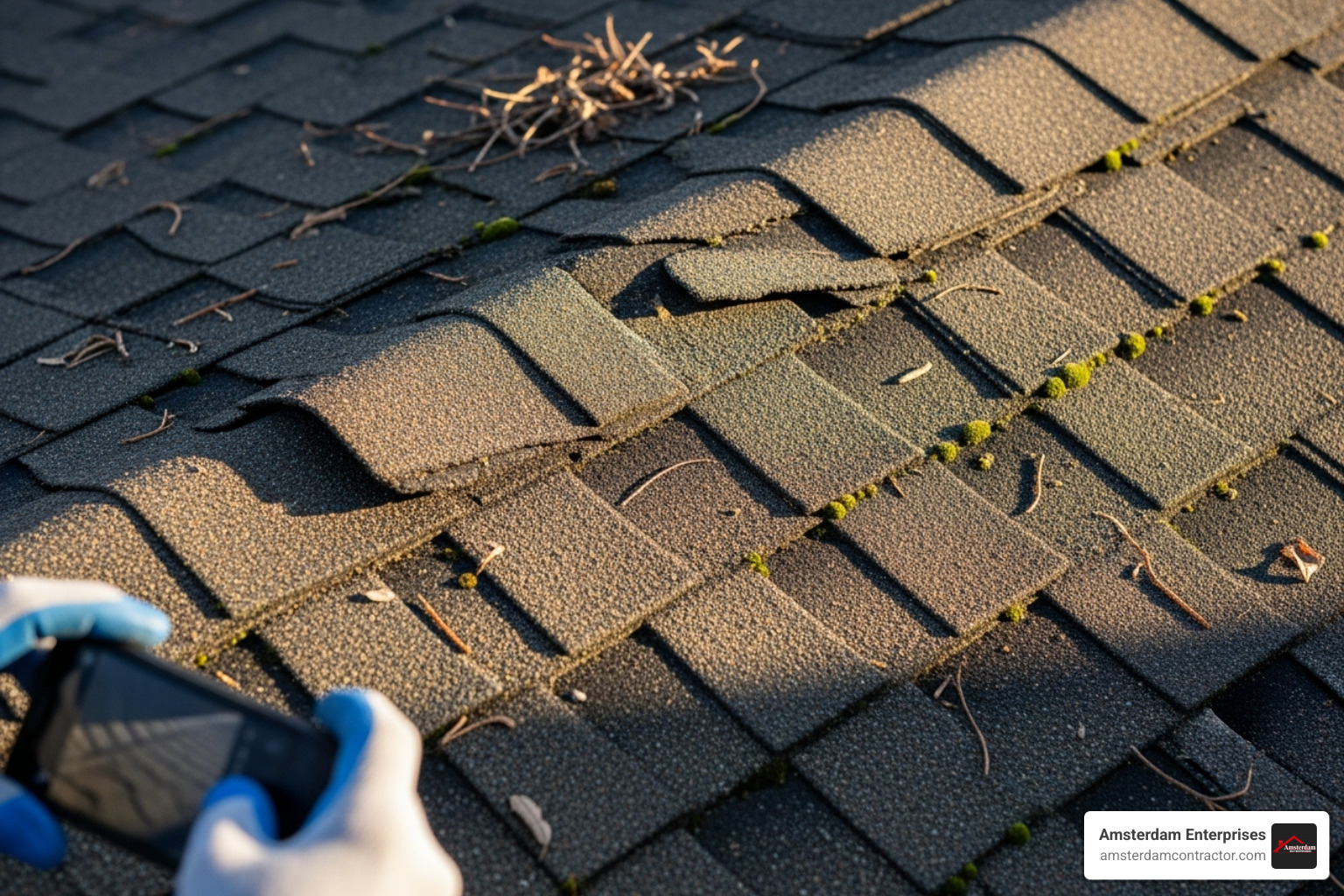
Cracked, curling, or missing shingles are like holes in your umbrella. Even one compromised shingle can let water sneak past your defenses. Wind damage is especially sneaky – what looks like a few missing shingles from the ground might be exposing your roof deck to serious water damage.
Here’s a detective trick: check your gutters for granule loss. Those little sand-like particles you find aren’t just roof dandruff – they’re the protective coating that shields your shingles from harmful UV rays. Too many granules in your gutters means your shingles are aging fast.
A sagging roof deck is your home’s way of crying for help. This isn’t something you can ignore or “get to later” – it’s a serious structural issue that needs immediate professional attention.
Age matters too. Even if your roof looks okay from the ground, time is undefeated. Most asphalt shingle roofs start showing their age around the 15-20 year mark, though quality installation and materials can push that much further. If you’re not sure about your roof’s birthday, check out our detailed guide: How Long Does a Roof Last? Complete Guide to Roof Lifespan and Replacement.
The Importance of Regular Roof Maintenance
Think of your roof as the hardest-working member of your household. It never calls in sick, never takes a vacation, and works 24/7 to keep your family safe and dry. The least we can do is give it a little attention now and then!
Preventative care is like giving your roof a regular health checkup. A skilled roofing contractor can spot trouble brewing long before it becomes obvious to you. We’re talking about loose shingles, minor cracks, or debris buildup that could cause problems down the road.
The math is simple: extending your roof’s lifespan through regular maintenance delays that expensive replacement day. A roof that might last 20 years with neglect could easily hit 25-30 years with proper care. That’s potentially a decade of extra protection for the cost of a few maintenance visits.
Early problem detection saves serious money. Fixing a small leak might cost a few hundred dollars, while dealing with the water damage it causes could run into thousands. We can spot issues from up there that you’d never see from your front yard.
Here’s something many homeowners don’t realize: maintaining your warranties often requires regular professional inspections. Skip the maintenance, and you might void your warranty just when you need it most. That’s like buying insurance and then forgetting to pay the premiums.
Regular maintenance isn’t just smart – it’s the difference between being a homeowner who sleeps peacefully through storms and one who lies awake wondering if this is the night their roof finally gives up.
The Ultimate Checklist: How to Choose the Right Professional
Choosing a roofing contractor can sometimes feel like navigating a maze, but don’t worry, we’re here to shine a light on the path! With a clear checklist in hand, you’ll feel confident making an informed decision that protects your home and family for many years to come.

When you’re ready to start vetting contractors, it’s always a good idea to gather a few estimates. We recommend reaching out to 1-3 local professionals. The cheapest bid isn’t always the best choice! Instead, focus on the overall value, which includes their reputation, experience, and what exactly is covered in their proposal. Always take the time to check references and, if possible, review their past work in person. Seeing is believing, after all!
Key Qualities of a Professional Roofing Contractor
We can’t emphasize enough how crucial it is to look for specific qualities in your chosen roofing contractor. These aren’t just items to check off a list; they are clear indicators of a company’s professionalism, reliability, and commitment to quality.
First and foremost, licensing and insurance are absolutely non-negotiable. A reputable roofing contractor must hold all necessary licenses to operate legally in your state and local area. Just as importantly, they need to carry comprehensive liability insurance (we’re talking $2 million or more is often recommended!) to cover any unforeseen damage to your property or even your neighbors’ homes during the project. They should also have workers’ compensation insurance in place. This protects their team members and, by extension, you, from liability in case of any on-site injuries. Plus, any contractor working at heights should possess a Fall Protection certification, ensuring they follow the highest safety standards.
Next, look for manufacturer certifications. This means the contractor has been certified by leading roofing material manufacturers like GAF or CertainTeed. These certifications show that the contractor has completed specialized training and meets the stringent quality standards set by the manufacturers themselves. This often allows them to offer you improved material warranties, giving you even greater peace of mind about your investment.
Another great sign of a trustworthy company is a strong A+ Rating on the Better Business Bureau (BBB). An A+ rating is a reliable indicator of a company’s dedication to customer satisfaction and ethical business practices. It reflects their history of positive customer interactions and problem resolution. You can easily verify this by checking their profile directly on the Better Business Bureau website.
Membership in reputable industry associations also speaks volumes. Organizations like the National Federation of Roofing Contractors (NFRC) or regional groups such as the Chicago Roofing Contractors Association signal a contractor’s commitment to industry standards, ongoing training, and ethical conduct. It shows they’re part of a community striving for excellence.
Finally, always, always, always insist on a detailed, written contract before any work begins. This document is your blueprint for the project! It should clearly outline the full scope of work, the specific materials to be used (including brand and color), the total cost, the payment schedule, the project timeline, and all warranty details. This contract protects both you and the roofing contractor and helps prevent any misunderstandings down the road.
Evaluating Quotes and Warranties
Once you’ve narrowed down your choices to a few qualified roofing contractors, the next important step is to carefully evaluate their quotes and truly understand the warranties they offer. This isn’t just about finding the lowest price; it’s about understanding the complete value you’re receiving for your hard-earned money.
A comprehensive quote should always provide detailed estimates, breaking down all costs clearly. This includes labor costs (the cost of the crew’s work – ask about their experience and whether they are employees or subcontractors), material costs (the quote should specify the type, brand, and quantity of roofing materials so you can compare quality), permits, waste disposal, and any other potential fees. Be cautious of estimates that seem vague or are significantly lower than others, as they might hide costs or indicate shortcuts in materials or labor. Always discuss all costs and fees thoroughly with your chosen contractor before signing anything.
Beyond the initial costs, understanding material warranties and workmanship warranties is crucial. Material warranties are provided by the manufacturer and cover defects in the roofing materials themselves. These can vary significantly in length and coverage – you might see options for 20-year, 30-year, or even 50-year coverage. Make sure you understand all the terms and conditions.
The workmanship warranty is just as important, if not more so. This warranty is provided directly by the roofing contractor and covers any errors in the installation process. These can range from a few years to a lifetime! Look for contractors who confidently back their work with a strong warranty, as this truly reflects their belief in their craftsmanship and dedication to your long-term satisfaction.
Decoding Your Roofing Project: Materials, Timelines, and Costs
Starting on a roofing project means understanding the interplay between materials, how long it will take, and what it’s all going to cost. It’s like planning a complex recipe – you need the right ingredients, enough time, and a clear budget.
The scope of your project, whether it’s a minor repair or a full replacement, will heavily influence the cost and timeline. Factors like the size and pitch of your roof, the chosen material, and labor rates in your area all play a significant role. Weather can also cause delays, so patience is key. A good roofing contractor will also discuss their daily cleanup process, ensuring your property remains as tidy as possible.
Common Roofing Materials
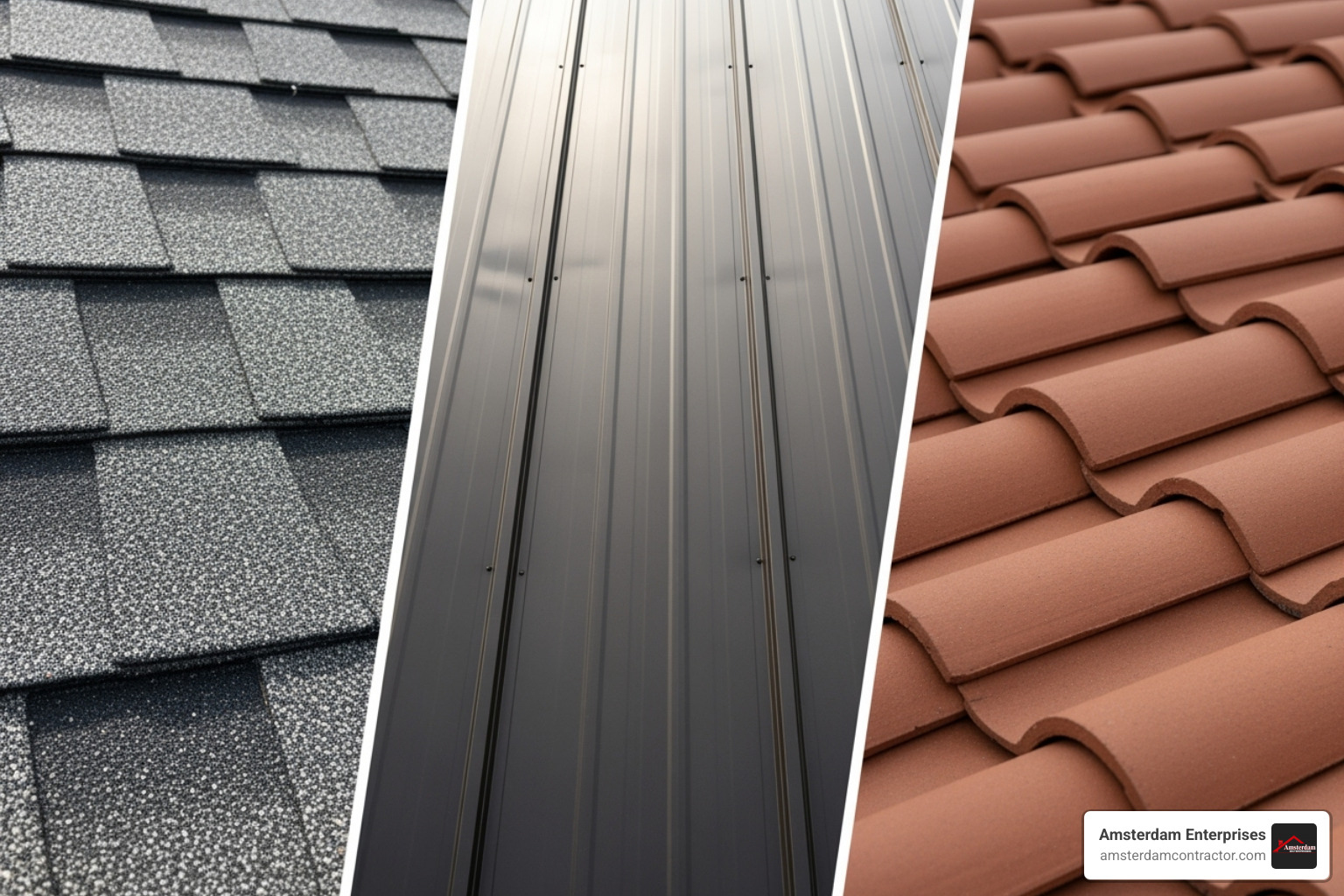
The choice of roofing material significantly impacts your roof’s appearance, durability, cost, and lifespan. Here’s a comparison of some of the most common options:
| Material Type | Cost (Relative) | Lifespan (Years) | Pros | Cons |
|---|---|---|---|---|
| Asphalt Shingles | $$ | 15-30 | Affordable, wide variety of colors and styles, easy to install and repair. | Shorter lifespan, susceptible to wind and hail damage, less eco-friendly. |
| Metal Roofing | $$$ | 40-70+ | Extremely durable, energy-efficient, fire-resistant, long lifespan. | Higher initial cost, can be noisy during rain without proper insulation. |
| Cedar Shakes | $$$$ | 20-40 | Beautiful natural aesthetic, good insulation, resistant to severe storms. | High cost, requires regular maintenance, potential fire hazard if untreated. |
| Flat Roofing (TPO/EPDM) | $$ | 20-30 | Ideal for low-slope roofs, durable, energy-efficient (white TPO), resistant to punctures. | Installation is critical for performance, fewer aesthetic options, can be prone to pooling water. |
Understanding Project Timelines and Costs
A professional roofing contractor will provide a clear timeline, but several factors can influence the schedule and final cost.
- Typical Installation Time: A full roof replacement on an average-sized home typically takes 1-3 days. Larger or more complex roofs can take longer.
- Repair Duration: Minor repairs might be completed in a few hours, while more extensive damage could take a full day.
- Cost Factors: The final price depends on your roof’s size and pitch (steeper roofs are more difficult), the material you choose, and local labor rates.
- Hidden Costs: Be sure to ask about potential hidden costs, such as replacing rotted decking found after the old roof is removed, or fees for permits and waste disposal. A transparent contractor will discuss these possibilities upfront.