







Ready to make the switch to smarter, stronger, and more beautiful roofing? Contact Amsterdam Enterprises for a free consultation.
In Arlington Heights, fall leaves and spring storms fill gutters with debris that blocks water flow and causes overflow. We provide professional gutter cleaning services including debris removal, downspout flushing, and drainage testing for single-family homes, townhomes, and multi-family buildings. Call (847) 439-1814 to schedule gutter cleaning—most appointments available within one week. With 44 years serving Arlington Heights, we clean safely from ladders or roofs and dispose of all debris per Village guidelines.
Homeowners in older Arlington Heights neighborhoods with mature tree coverage often miss early signs that gutters need attention. Waiting until you see major overflow or damage costs more to fix than scheduling regular cleaning.
Visible Warning Signs:
What You Hear:
Ground-Level Indicators:
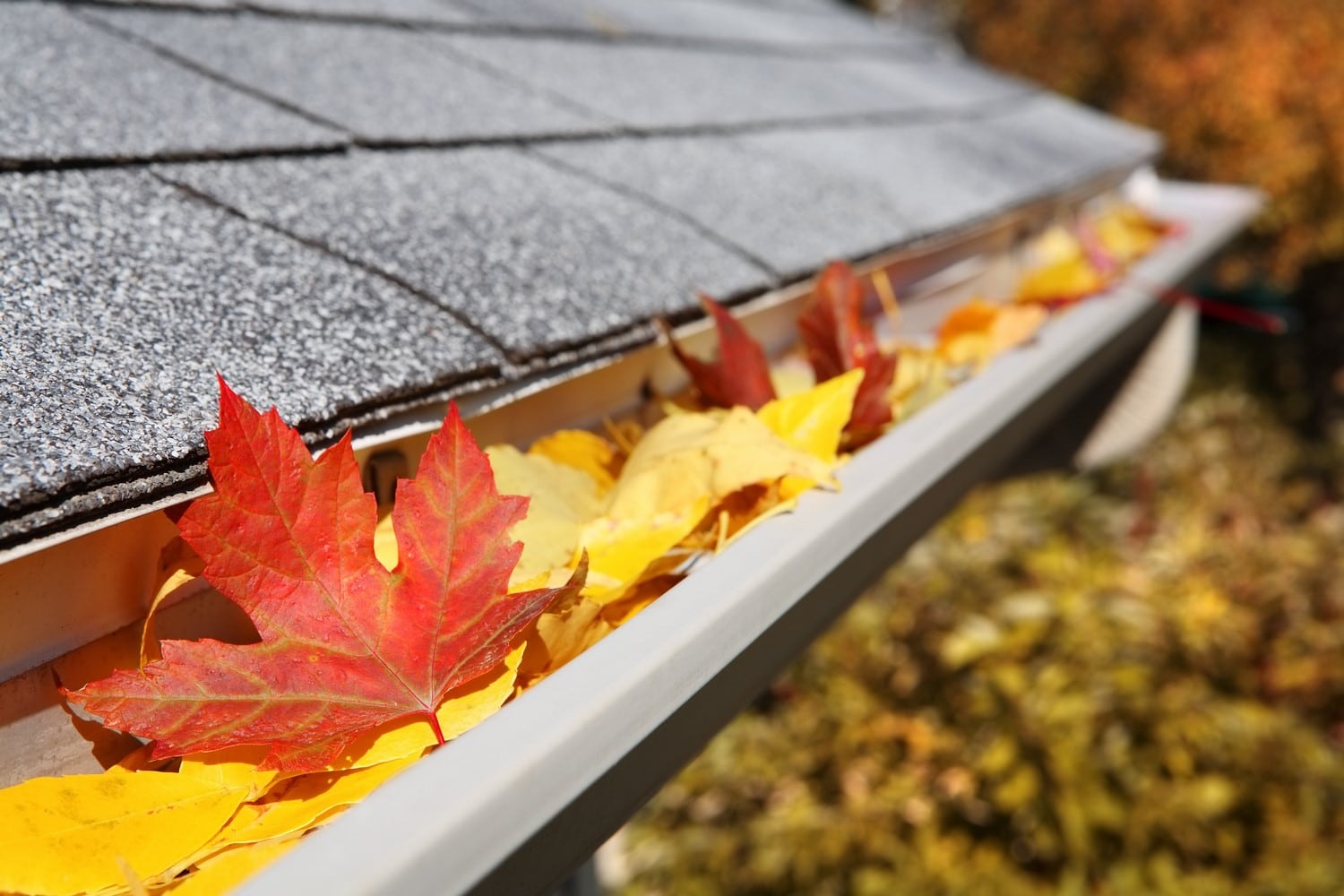
Oak and maple trees common in Arlington Heights drop leaves heavily in October. Spring pollen and seed pods from mature trees clog downspouts by early June. Properties near Thomas Park or with tree-lined streets see faster debris buildup than homes in newer subdivisions.
Early cleaning prevents water damage to fascia, siding, and foundations. Catches problems before wet debris rots wood or pulls gutters completely off the house.
Homeowners planning seasonal maintenance and new Arlington Heights residents unfamiliar with local climate patterns ask when cleaning makes the most sense. Timing matters because cleaning too early or too late misses the heaviest debris periods.
Late fall cleaning (October–November) prepares gutters for Arlington Heights winters. Clean gutters handle melting snow without ice dam formation. Spring cleaning after tree budding prevents downspout clogs during heavy May rains when storms dump 2–3 inches quickly.
Cleaning at the right times prevents ice dams in winter and overflow in spring. Scheduling ahead locks in appointments before peak demand when contractors book weeks out.
Homeowners comparing gutter cleaning contractors in Arlington Heights and property managers needing reliable service for multi-family buildings want to know what happens during a cleaning appointment.
Our Cleaning Process:
Step 1 – Initial Assessment:
Step 2 – Debris Removal:
Step 3 – Downspout Flushing:
Step 4 – Drainage Testing:
Step 5 – Final Inspection:
We work safely on two-story Arlington Heights homes using extension ladders with stabilizers or roof access when appropriate. Dispose of all debris per Village of Arlington Heights waste guidelines—we haul everything away or bag it for your regular trash pickup.
Systematic cleaning removes all debris and tests drainage before we leave. You see clear gutters and proper water flow with no mystery about what we did.
Homeowners question whether regular cleaning is worth the investment. Properties with previous water damage or foundation issues learn that prevention costs far less than repairs.
Freeze-thaw cycles in Arlington Heights winters crack foundations when gutters overflow onto frozen ground. Water has nowhere to go, pools against the house, and freezes. Expansion pressure cracks concrete and forces basement seepage.
Clogged gutters cause ice dams that damage shingles and create attic leaks. Snow melts on the warm roof, runs to the cold gutter edge, and refreezes. Ice builds up under shingles and forces water backward into the attic.
Prevention vs Repair:
Clean gutters protect fascia, foundations, and landscaping from water damage. Prevents repair costs that exceed years of regular cleaning service.
What We Check During Gutter Cleaning in Arlington Heights
Homeowners who want more than basic debris removal and properties preparing for sale or seasonal inspections appreciate contractors who spot problems early.
Full Inspection Includes:
Gutter Condition:
Hanger and Mounting:
Pitch and Drainage:
Downspouts and Extensions:
Fascia and Soffit:
We spot loose hangers common in Arlington Heights homes after heavy snow loads. Winter ice and snow add hundreds of pounds of weight. Hangers pull loose or bend. Gutters separate from the house and dump water directly onto foundations.
Identify fascia rot before it spreads and requires full board replacement. Soft spots start small but expand quickly once water penetrates the wood. Early detection saves hundreds in repair costs.
Gutter Guards vs Regular Cleaning for Arlington Heights Properties
Homeowners considering gutter guards to reduce maintenance and properties in heavily wooded Arlington Heights areas with constant leaf buildup ask whether guards eliminate cleaning needs.
How Gutter Guards Work:
What Guards Do Well:
Guard Limitations in Arlington Heights:
Debris That Gets Through:
Maintenance Still Required:
Installation Considerations:
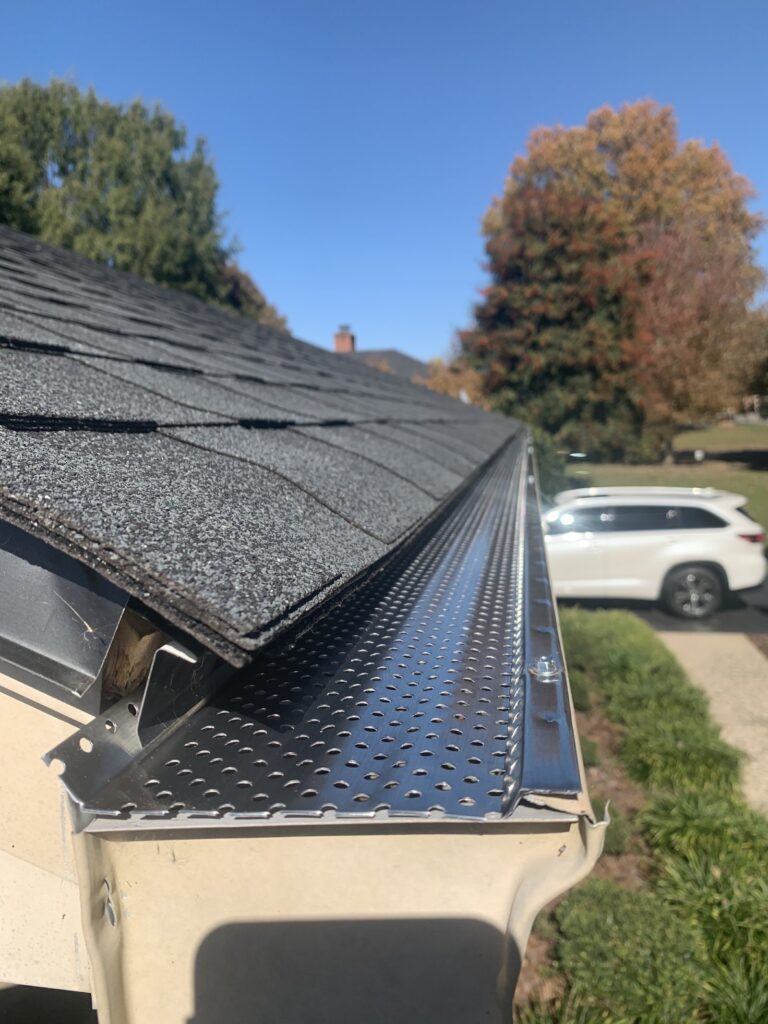
Maple seed pods in Arlington Heights stick to screen guards every spring and still require removal. The pods are sticky when wet and build up layers that block water. You still need cleaning—just to remove debris from the top of guards instead of inside gutters.
Heavy leaf loads in fall can pile on top of guards and block water flow completely. Guards work best with light to moderate debris, not the thick oak and maple coverage common in established Arlington Heights neighborhoods near parks or forest preserves.
When Guards Make Sense:
When Regular Cleaning Works Better:
Guards reduce cleaning frequency but do not eliminate it. Understanding limitations helps you decide what works for your property based on tree coverage, budget, and maintenance preferences.
Clean gutters in Arlington Heights at least twice per year—once in late spring after tree pollen and once in late fall after leaves drop.
Seasonal Cleaning Schedule:
Homes near wooded areas or with overhanging branches need cleaning 3–4 times per year. Properties in newer subdivisions with minimal tree coverage may maintain adequate drainage with annual cleaning, though twice yearly is still recommended.
Clean gutters twice per year minimum—late spring (May–June) after pollen and seed pods, and late fall (October–November) after leaves drop. Homes with trees directly over the roof need cleaning 3–4 times per year. Schedule additional cleaning after major storms that deposit heavy debris loads.
Best times are May–June after spring pollen and tree budding finish, and October–November after leaves fall but before heavy snow arrives. Avoid cleaning during active leaf drop in mid-October when gutters refill immediately after cleaning. Early November timing clears gutters before winter weather.
Gutters clogged with leaves and debris overflow during rain, sending water against foundations and into basements. Ice dams form in winter when clogged gutters trap melting snow that refreezes at the eaves. Regular cleaning prevents water damage, foundation issues, and roof leaks that cost thousands to repair.
You can if you have proper ladder safety equipment and are comfortable working at heights on your home. Two-story homes and steep roofs require professional equipment and fall protection. We handle complete debris disposal and downspout flushing that DIY cleaning often misses or does improperly.
Debris builds up until gutters overflow during every rain event. Water damages fascia, siding, and foundations over time. Weight from wet debris pulls gutters away from the house completely. Ice dams form in winter causing roof leaks into attics and ceiling stains. Eventual gutter replacement costs more than years of regular cleaning.
No, guards reduce cleaning frequency but do not eliminate it entirely. Seed pods, shingle grit, and small debris still accumulate on and in guards. Guards themselves need cleaning when leaves pile on top and block water flow. We clean both guarded and unguarded gutter systems throughout Arlington Heights.
Ready to make the switch to smarter, stronger, and more beautiful roofing? Contact Amsterdam Enterprises for a free consultation.