


Brick Repointing Near Me: Best Pros 2025
Why Quality Brick Repointing Protects Your Home’s Value
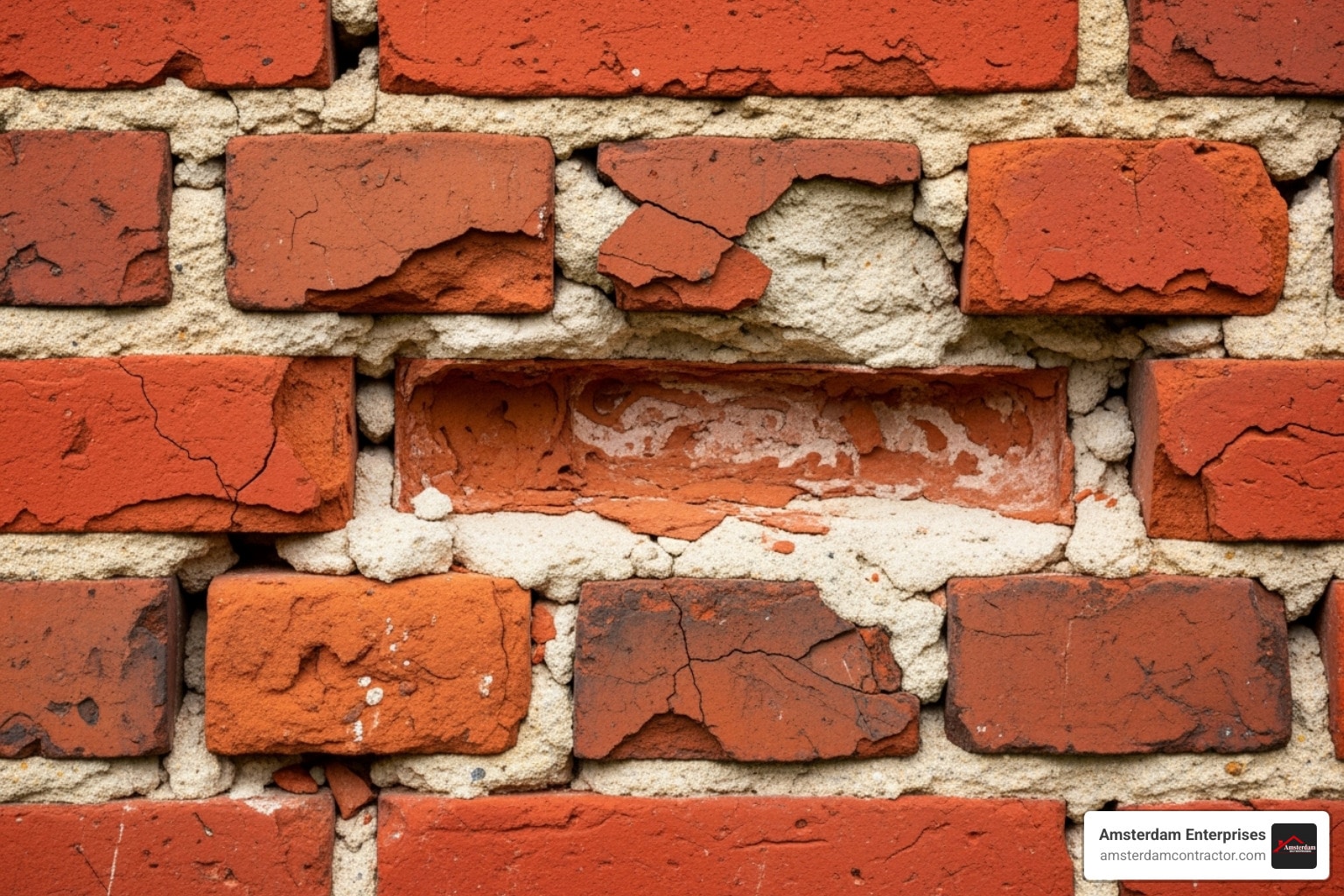
Searching for brick repointing near me is a crucial step for homeowners who see crumbling mortar joints threatening their property’s structural integrity and curb appeal.
Quick Answer for Local Repointing Services:
- Average Cost: $4-17 per square foot professionally, $0.50-0.75 per square foot DIY
- Timeline: 2-3 days for 100 square feet
- Frequency: Every 25-50 years depending on climate and mortar quality
- Best Time: When mortar erosion exceeds 1/4 inch depth
- Professional vs DIY: Hire professionals for structural walls, historic homes, or work above 8 feet
Your brick walls face a constant assault from the elements. When mortar joints fail, water penetration is inevitable. As one masonry expert noted, “As soon as cracks or holes appear, water can penetrate the structure. Ice will freeze any ingressed water, which later leads to the cracking and ‘blowing’ of the mortar, exposing the property to potential damp and further damage.”
Failed mortar compromises your home’s structural integrity. Walls can shift, water damage can spread indoors, and a minor repair can balloon into thousands in structural costs.
The good news is that proper repointing can last over 30 years, dramatically improving your home’s appearance and weather resistance. However, finding qualified contractors who understand mortar compatibility, especially for historic homes, requires careful vetting.
With decades of experience in exterior home restoration, we at Amsterdam Enterprises have seen how vital quality repointing is. We’ve built our reputation on delivering the highest quality masonry work that protects both structural integrity and property values.
Understanding Brick Repointing: What It Is and When You Need It
Mortar is the glue that holds your brick walls together. When it starts to crumble, the entire wall is at risk.
Brick repointing is the process of removing old, deteriorated mortar and replacing it with fresh, compatible mortar. This essential maintenance restores your wall’s structural strength and ability to keep water out.
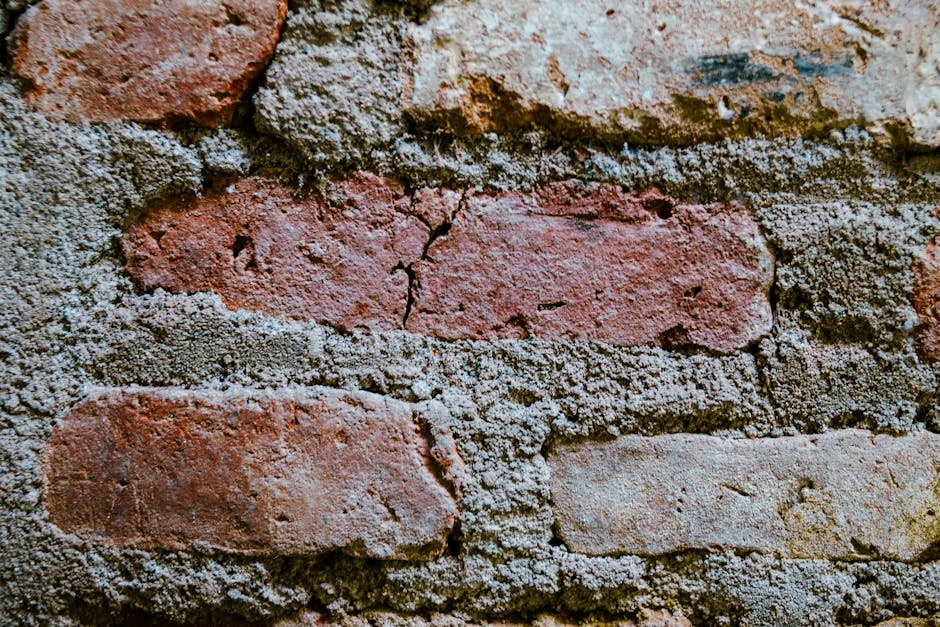
Mortar joints are constantly battling the elements. The freeze-thaw cycle, especially harsh in the Chicago area, is a primary cause of deterioration. Water seeps into cracks, freezes, expands, and breaks the mortar apart. This water infiltration can lead to spalling bricks (flaking brick faces), foundation issues, and interior dampness.
Catching these issues early with quality repointing adds decades to your building longevity and prevents costly future repairs. For more information, see More info about our Masonry Services.
Key Signs Your Brickwork Needs Repointing
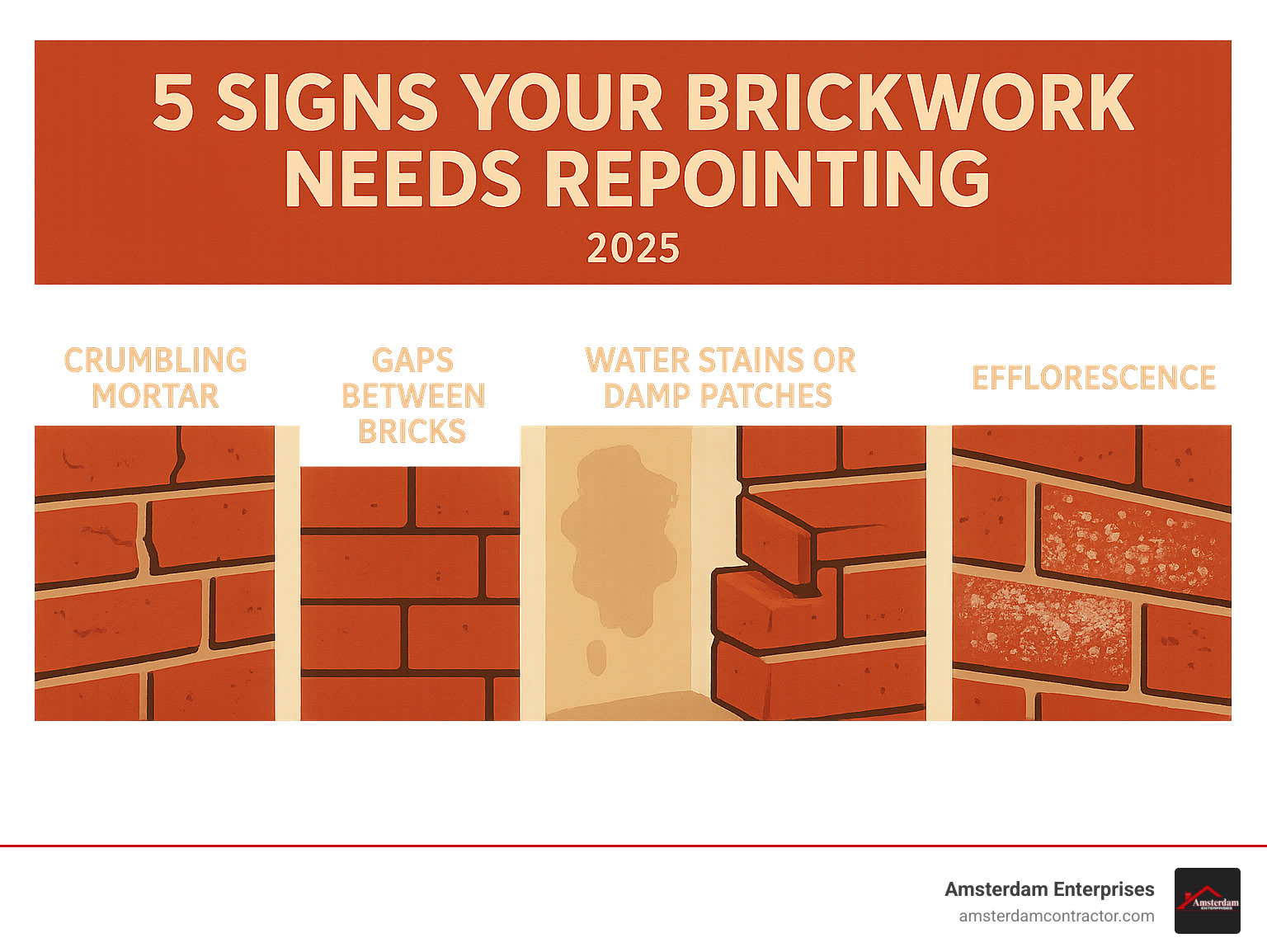
Look for these signs that indicate brick repointing near me is a necessary search:
- Crumbling mortar: Mortar is soft, sandy, or can be scraped out with a key.
- Visible cracks: Hairline or larger cracks appear in the mortar joints, especially around windows and corners.
- Gaps between bricks and mortar: The mortar has pulled away from the bricks, creating channels for water.
- Damp patches on interior walls: Unexplained moisture or stains on interior walls can signal water penetrating through the exterior brick.
- Loose or shifting bricks: Bricks feel wobbly or have moved out of place, indicating a loss of structural support.
- Efflorescence: White, chalky stains on the brick surface indicate moisture is moving through the masonry.
How Often Should Brickwork Be Repointed?
Quality brickwork typically needs repointing every 25 to 50 years. This timeline is heavily influenced by two factors:
- Climate impact: The harsh weather in our service areas, from Arlington Heights to Wood Dale, with its freeze-thaw cycles and temperature swings, accelerates mortar decay.
- Original construction quality: The type of mortar originally used (e.g., softer lime-based vs. harder cement-based) and the quality of the initial craftsmanship determine its lifespan.
Proactive maintenance through regular inspections can save you thousands compared to reactive repairs after significant damage has occurred.
The Repointing Process: From Preparation to Perfection
A professional “brick repointing near me” search should lead you to craftspeople who follow a meticulous process to ensure a durable, beautiful finish.
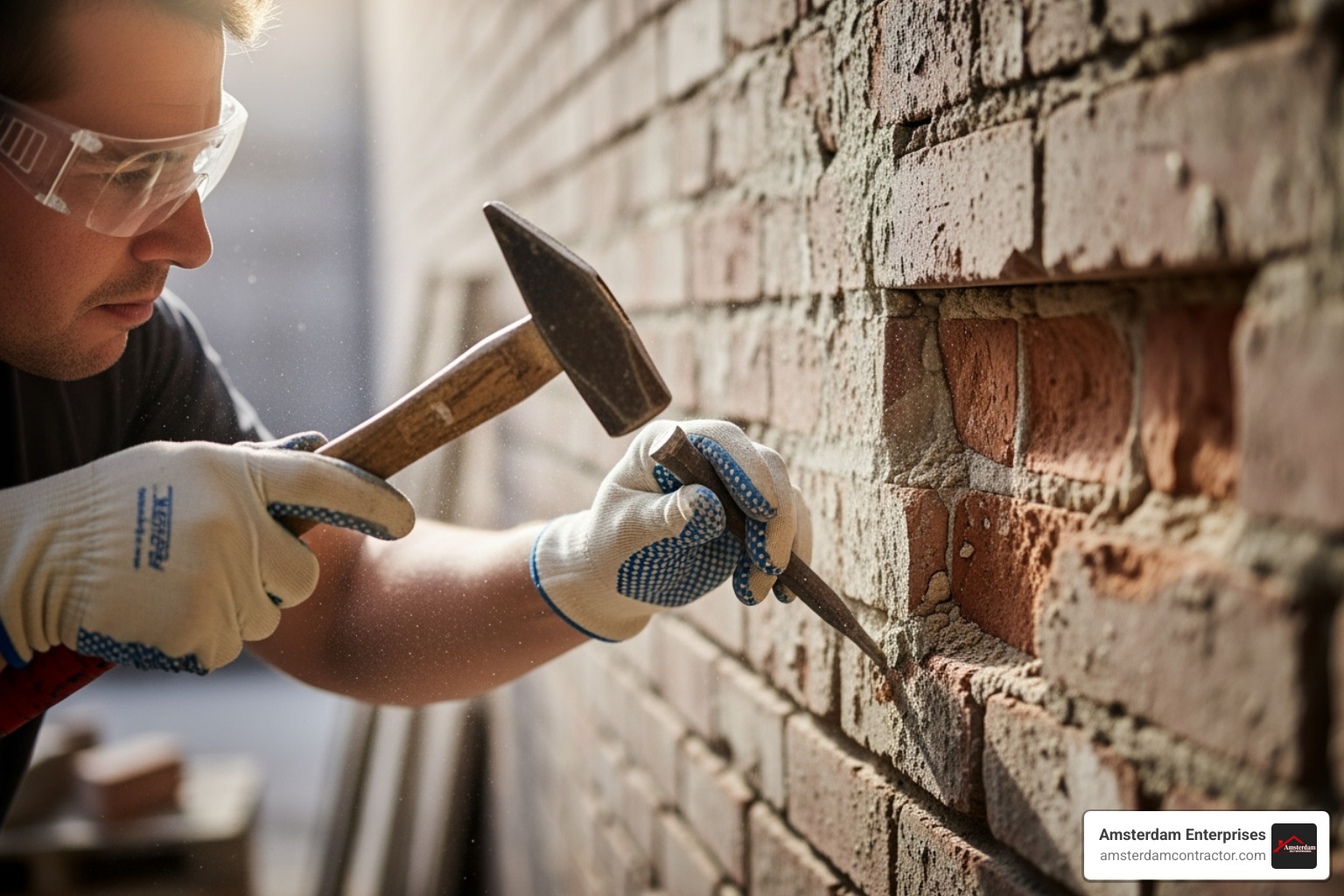
- Mortar Removal: Old, crumbling mortar is carefully raked or ground out to a sufficient depth, taking care not to damage the protective face of the bricks.
- Joint Preparation: The joints are thoroughly brushed and cleaned of all dust and debris. They are often misted with water to prevent the new mortar from drying too quickly.
- Mortar Mixing: New mortar is mixed to match the original’s composition, color, and hardness. For historic homes, this often means using a softer, breathable lime-based mortar instead of a modern cement mix to prevent brick damage.
- Mortar Application: The new mortar is applied in thin layers and compacted firmly into the joints for a strong bond.
- Joint Finishing & Curing: Once the mortar is partially set, it is “struck” or tooled to create a compressed, weather-resistant seal that matches the original profile. The new mortar must then cure slowly over several days, often protected from sun, wind, and freezing temperatures.
Repointing vs. Tuckpointing: What’s the Difference?
While often used interchangeably, these terms describe different processes:
- Repointing is a structural repair. It involves replacing failed mortar to restore a wall’s strength and weather resistance.
- Tuckpointing is an aesthetic finish. After repointing with mortar that matches the brick color, a thin line of contrasting putty is applied to create the illusion of very fine, perfect joints.
Most homes need repointing for structural reasons. If you’re also interested in the decorative finish, learn more about our Tuckpointing Services.
DIY or Hire a Professional?
While DIY repointing seems straightforward, it carries significant risks. The most common and costly mistake is using the wrong mortar type—typically a hard, modern cement mix on older, softer bricks. This traps moisture and can cause the bricks themselves to crack and spall, turning a small project into a major repair.
Other concerns include safety risks when working on scaffolding, the extensive time commitment, and the difficulty of achieving a professional, long-lasting result.
| Aspect | DIY Approach | Professional Service |
|---|---|---|
| Initial Cost | $50-75 per 100 sq ft | $400-1,700 per 100 sq ft |
| Time Required | Weeks of weekend work | 2-3 days for most projects |
| Quality Results | Inconsistent, often problematic | Professional, uniform finish |
| Risk Level | High damage and safety risks | Low risk, fully insured |
| Longevity | 10-15 years if done correctly | 25-50 years with proper materials |
For most homeowners, professional repointing provides superior long-term value. The higher upfront cost is offset by guaranteed results, time savings, and decades of durability. At Amsterdam Enterprises, we use only the highest quality, correctly matched materials to protect your home.
Breaking Down the Cost of Brick Repointing
Understanding the cost of brick repointing near me helps you budget for this important investment. While every project is unique, here’s a general breakdown of what to expect.
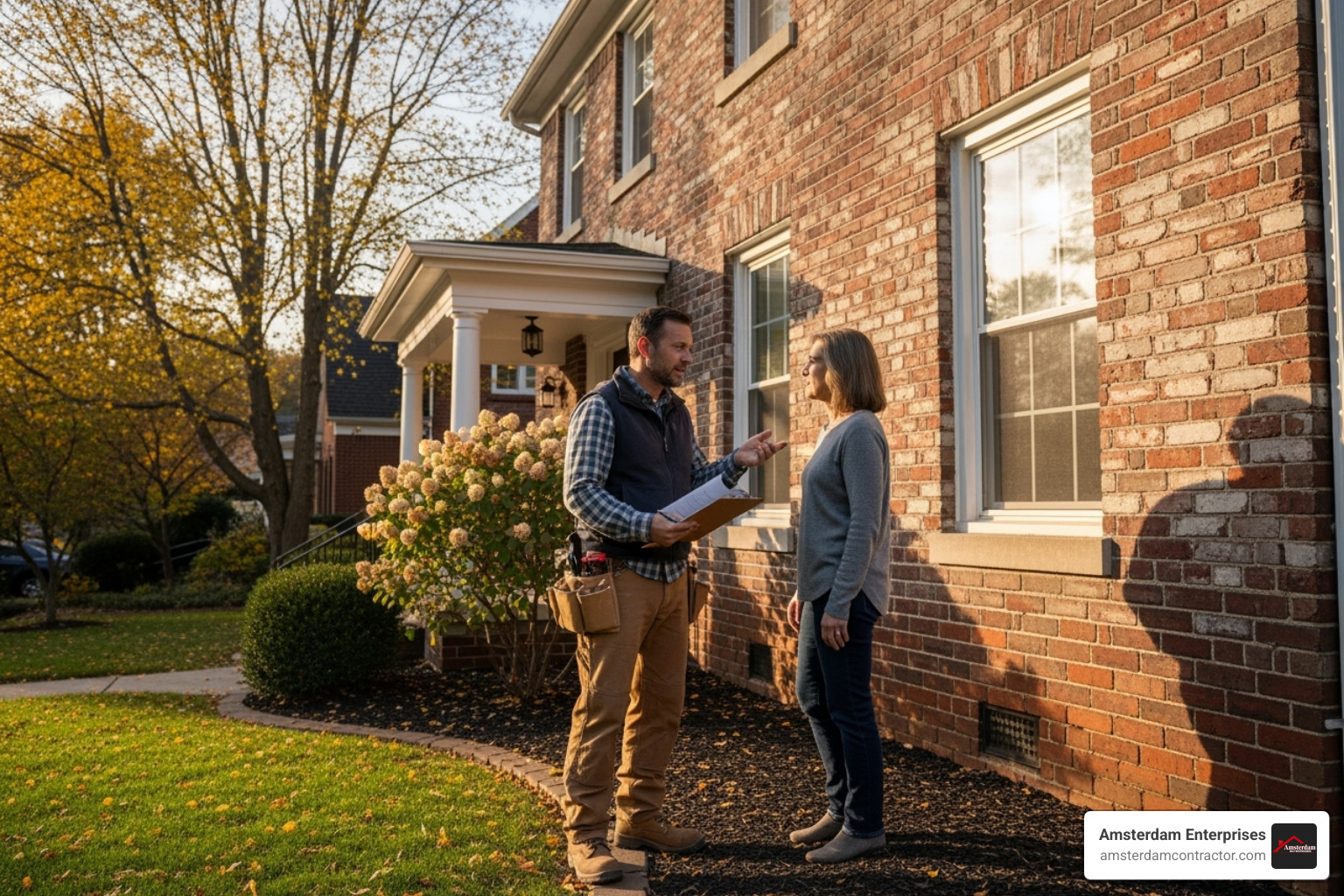
Professional repointing generally costs $4 to $17 per square foot, with a typical 100-square-foot job averaging around $1,450. The total can range from $400 to $2,500 or more, depending on various factors.
- Labor Costs: This is the largest expense, with skilled masons charging $50 to $100 per hour for their precise, demanding work.
- Material Costs: Standard mortar is inexpensive (around $10 for an 80-lb bag), but specialized lime mortars for historic homes can be more costly.
- Scaffolding: Working above 8 feet requires scaffolding for safety, which can add 20% to 40% to the project cost.
- Project Size & Accessibility: Large jobs may have a lower per-square-foot cost, while small repairs may have a minimum fee. Hard-to-reach areas or intricate designs can increase labor time and costs.
Quality repointing is an investment that can extend your brickwork’s life by 25 to 50 years, preventing more expensive structural repairs. For more cost details, see this resource: How Much Does Tuck Pointing Cost?.
Factors That Influence Your Final Quote
Several key factors will affect your final quote:
- Wall Condition: Severely deteriorated mortar requires more prep time. Damaged or spalling bricks may need replacement, adding $20 to $40 per square foot to the repair area.
- Chimney Repointing: Chimneys are highly exposed and often require more complex repairs, with crown repairs costing $300 to $3,000.
- Historic Buildings: Homes built before the 1930s need special care. A mortar analysis ($200-$500) may be required to create a compatible lime-based mortar that won’t damage the old bricks.
- Waterproofing: An optional waterproofing treatment for $1 to $4 per square foot can be applied after repointing to further extend the mortar’s life.
- Pre-existing Conditions: The need for extensive power washing or removal of old surface coatings will add to the preparation time and cost.
Understanding these variables helps you interpret quotes accurately. For help calculating material needs, check out this guide: Mortar Math.
How to Find Qualified Brick Repointing Near Me
Your search for “brick repointing near me” should focus on finding a skilled professional who can protect your home’s structural integrity.
Start by looking for local contractors with a strong presence in your area. A company like Amsterdam Enterprises, serving communities from Arlington Heights to Wood Dale, understands the challenges of our local climate and how it affects masonry. Combine online searches with referrals from neighbors or other trusted trade professionals.
Once you have a shortlist, the vetting process is key. Get at least three detailed quotes and compare the scope of work, not just the price. A low bid may signal inferior materials or an incomplete job. Always ask to see a portfolio of recent projects to verify the quality of their work. At Amsterdam Enterprises, we are proud of our craftsmanship and are happy to share examples. Contact Us for a free quote to discuss your project.
What to Look for in a Repointing Specialist
Look for these key qualities in a contractor:
- Licensed and Insured: This is non-negotiable. It protects you from liability and ensures the contractor meets professional standards.
- Years of Experience: Seek out masonry specialists, not generalists. Experience with different brick ages, mortar types, and weather conditions is crucial.
- Positive Reviews and References: Check online reviews and ask for references from recent, similar projects.
- Knowledge of Historic Mortars: If your home is pre-1930s, the contractor must understand how to work with traditional lime-based mortars to avoid damaging the original bricks.
- Detailed Quotes: A professional provides an itemized quote that clearly outlines all costs, including labor, materials, and any additional services.
- Clear Communication: A good contractor keeps you informed throughout the project.
Questions to Ask a Potential Contractor for brick repointing near me
Before hiring, ask these critical questions:
- What type of mortar will you use, and how will you match it to my existing mortar?
- What is your process for removing old mortar and preparing the joints?
- How will you protect my property (landscaping, windows, etc.) during the work?
- Is a full cleanup included in the quote?
- Do you offer a warranty on your work? What does it cover?
- Can you provide current proof of license and insurance?
- What is the estimated timeline for the project?
- How do you handle unexpected issues, like hidden damage?
- What are your payment terms?
A qualified professional will welcome these questions and provide clear, confident answers.
Frequently Asked Questions about Brick Repointing
Homeowners researching brick repointing near me often have the same important questions. Here are answers to the most common ones.
Why is using the right mortar so important for repointing?
Using the wrong mortar can cause more damage than the original problem. The cardinal rule is that mortar should always be softer than the brick it surrounds. Modern, hard cement mortars are not compatible with the softer bricks used in many older homes. When hard mortar is used with soft bricks, it doesn’t allow for natural expansion and contraction. This puts stress on the bricks, causing them to crack and spall (flake). For historic homes, a breathable lime-based mortar is often required to allow moisture to escape, preventing freeze-thaw damage and rot.
How does repointing protect my home from water damage?
Failed mortar joints are primary entry points for water. In our Illinois climate, this water freezes and expands, widening cracks and accelerating deterioration in a destructive freeze-thaw cycle. Once water gets past the brick exterior, it can damage wooden framing, saturate insulation, and lead to interior mold and dampness. Proper repointing creates a seamless, water-resistant barrier, stopping this cycle and protecting your home’s entire structure from moisture damage.
Can repointing improve my home’s energy efficiency?
Yes, repointing can contribute to better energy efficiency. Gaps and cracks in mortar joints allow for air leakage, letting heated or cooled air escape and creating drafts. This forces your HVAC system to work harder. Furthermore, water infiltration can dampen insulation, reducing its effectiveness. By sealing these gaps, repointing creates a tighter building envelope. This helps maintain more consistent indoor temperatures, reduces drafts, and can lead to noticeable energy savings over time.
Conclusion
Protecting your home’s brickwork is a critical part of property maintenance. As we’ve covered, searching for brick repointing near me is the first step toward addressing failing mortar and safeguarding your investment.
Professional repointing is more than a cosmetic fix. It’s a crucial service that delivers:
- Structural Safety: Restores the integrity of your walls.
- Water Damage Prevention: Creates a barrier against moisture, mold, and rot.
- Aesthetic Improvement: Instantly boosts your home’s curb appeal.
- Long-Term Value: A smart investment that lasts 25-50 years and prevents far more expensive structural repairs down the road.
At Amsterdam Enterprises, we understand how to protect homes in our unique climate, serving communities from Arlington Heights to Wood Dale. We are licensed, insured, and committed to using high-quality materials for durable, beautiful results. Our expertise extends to a full range of exterior services, including roofing, siding, windows, and more.
Don’t wait for minor mortar issues to become major structural problems. The longer you wait, the more costly the repairs. Explore our expert Masonry solutions today and let us help you protect and beautify your home for decades to come.