

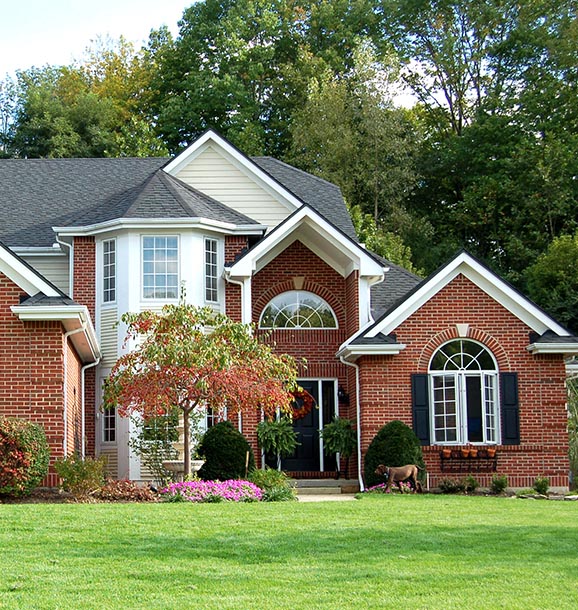
Amsterdam Enterprises has repaired and restored brick on Arlington Heights homes and commercial buildings since 1982. We’re a licensed, insured masonry and exterior contractor serving the area Monday through Friday.
Brick looks permanent. It isn’t. Every winter in Arlington Heights, freeze-thaw cycles push water into small cracks, expand them, and push them open wider. By spring, what started as a hairline gap in a mortar joint is a visible crack — and the water damage behind it is already underway. Brick repair in Arlington Heights is how you stop that cycle before it reaches the wall structure, the interior, or the foundation. This page covers how to read crack types, which repair method fits which damage, how repointing works, and whether a single brick can be replaced without touching the rest of the wall. Amsterdam Enterprises serves Arlington Heights Monday through Friday — call for a free on-site estimate.
Not all brick cracks mean the same thing. Some are cosmetic. Some signal water damage. Some point to foundation movement. Reading the pattern tells you what kind of repair you actually need — and how urgent it is.
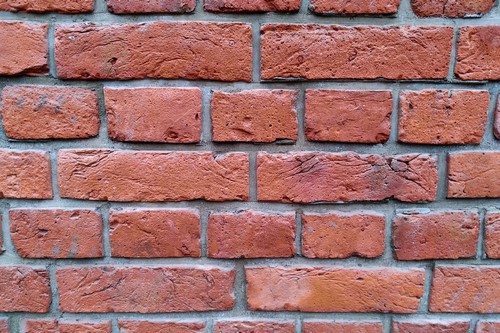
Hairline cracks in mortar joints The most common crack type in Arlington Heights. Mortar deteriorates over time and pulls away from the brick face. This is a repointing job — the mortar gets removed and replaced. Left alone, water enters the joint and accelerates the damage each winter.
Stair-step cracks along mortar lines These follow the mortar joints in a diagonal stair pattern. They often signal foundation settling or soil movement beneath the structure. Arlington Heights sits on clay soil that shifts seasonally — homes near low-lying areas see this pattern more than homes on stable elevated ground. Stair-step cracks need a professional assessment before any repair starts.
Horizontal cracks across brick faces Less common, more serious. Horizontal cracking across brick courses can indicate lateral pressure on the wall — soil pressure, water pressure behind a retaining section, or structural load issues. These need evaluation, not just patching.
Spalling — the face of the brick breaking off Spalling happens when water gets inside the brick itself, freezes, and forces the face layer off. It means the brick has absorbed moisture past the point of surface repair. Spalled bricks typically need replacement, not filling.
Crack width as a guide Cracks under a quarter inch wide are usually a mortar or surface issue — repointing or filler depending on location. Cracks wider than that, or cracks that have changed size since you first noticed them, warrant a full assessment.
The important thing is not to assume. A crack that looks minor from the street can be the visible end of a larger moisture problem behind the wall. A professional inspection tells you what you’re actually dealing with.
Not all brick cracks mean the same thing. Some are cosmetic. Some signal water damage. Some point to foundation movement. Reading the pattern tells you what kind of repair you actually need — and how urgent it is.
Hairline cracks in mortar joints The most common crack type in Arlington Heights. Mortar deteriorates over time and pulls away from the brick face. This is a repointing job — the mortar gets removed and replaced. Left alone, water enters the joint and accelerates the damage each winter.
Stair-step cracks along mortar lines These follow the mortar joints in a diagonal stair pattern. They often signal foundation settling or soil movement beneath the structure. Arlington Heights sits on clay soil that shifts seasonally — homes near low-lying areas see this pattern more than homes on stable elevated ground. Stair-step cracks need a professional assessment before any repair starts.
Horizontal cracks across brick faces Less common, more serious. Horizontal cracking across brick courses can indicate lateral pressure on the wall — soil pressure, water pressure behind a retaining section, or structural load issues. These need evaluation, not just patching.
Spalling — the face of the brick breaking off Spalling happens when water gets inside the brick itself, freezes, and forces the face layer off. It means the brick has absorbed moisture past the point of surface repair. Spalled bricks typically need replacement, not filling.
Crack width as a guide Cracks under a quarter inch wide are usually a mortar or surface issue — repointing or filler depending on location. Cracks wider than that, or cracks that have changed size since you first noticed them, warrant a full assessment.
The important thing is not to assume. A crack that looks minor from the street can be the visible end of a larger moisture problem behind the wall. A professional inspection tells you what you’re actually dealing with.
Repointing is the most misunderstood masonry repair. Homeowners often think of it as a temporary patch — spread some mortar over the joint and call it done. That’s not repointing. That’s surface coating, and it fails within a season or two.
Proper repointing is a specific process with specific steps. Here’s what it actually involves:
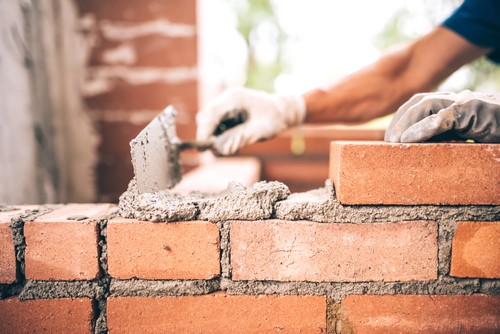
Damaged mortar is ground out or raked to a minimum depth of three-quarters of an inch. Shallower than that and the new mortar doesn’t have enough mechanical grip to hold long-term. This step takes time and the right tools — angle grinders and oscillating cutters for tight joints.
Dust, loose particles, and old mortar residue are cleared from the joint before anything goes in. New mortar bonds to clean masonry surfaces. It doesn’t bond well to dust.
Mortar is packed into the joint in layers, not in one thick application. Each layer needs time to stiffen before the next goes on. Rushing this step causes shrinkage cracks in the new mortar.
The final mortar surface is tooled to match the surrounding joint profile — concave, flush, or grapevine depending on the original masonry style. Profile matters for water shedding. A flat or slightly recessed joint moves water away from the wall. A proud joint catches it.
How long does it last? Done correctly with the right mortar mix for the brick type, repointing in Illinois lasts 20–30 years. What shortens that timeline significantly: wrong mortar hardness, insufficient removal depth, applying mortar in near-freezing temperatures, or repointing over damp masonry.
Timing matters in Arlington Heights. Illinois winters arrive fast. Mortar needs several days of moderate temperatures to cure properly. Repointing jobs should be completed before the first hard freeze — mortar applied at or near freezing temperatures cures poorly, bonds weakly, and often fails within the first winter cycle.
Yes, a Single Brick Can Be Replaced — Here Is How It's Done
One of the most common questions we get is whether a single damaged brick can be repaired without touching the rest of the wall. The answer is yes — and it’s a standard masonry repair when the surrounding brickwork is sound.
Here’s the process:
Score and remove the mortar Mortar is carefully cut away around all four sides of the damaged brick — top, bottom, and both vertical joints. The goal is to free the brick without cracking adjacent bricks or disturbing surrounding joints.
Extract the brick The damaged brick is worked loose and removed from the cavity. This takes care and the right tools. Forcing it out risks damaging the brick behind it.
Clean the cavity Dust, old mortar residue, and loose material are cleaned from the opening. The back of the cavity and all four sides need to be clean for the new mortar bed to bond correctly.
Set the replacement brick A mortar bed goes on the bottom of the cavity. The replacement brick is set, checked for level and alignment with the surrounding wall face, and then the remaining joints are packed with mortar.
Repoint the surrounding joints The joints immediately surrounding the new brick are repointed to ensure a complete water seal around the repair.
The matching challenge The replacement brick needs to match the existing brick in color, texture, and size. That sounds simple — it isn’t always. Older brick from the mid-20th century was often produced locally or regionally, and those exact products no longer exist. Buildings near Downtown Arlington Heights — older commercial structures, mixed-use buildings, and pre-war residential — often require salvage brick sourcing to find a close match. A visible color mismatch is the sign of a contractor who didn’t take this step seriously.
When one brick means more Spalling on one brick often signals that adjacent bricks have absorbed similar moisture levels. We inspect the surrounding area when replacing a single brick — not to expand the scope unnecessarily, but because missing related damage leaves the repair incomplete.
What Proper Brick Repair Looks Like When the Job Is Done Right
If you’ve had masonry work done before that didn’t hold up, or you’re booking a contractor for the first time and want to know what to expect, here are the markers of a quality brick repair job.
Mortar color matches the existing wall Fresh bright white mortar on an aged brick wall is a red flag. It means the contractor used a standard mix without color matching. Mortar can be tinted to match existing joints. It should be. A repair that draws the eye to itself is not a finished repair.
Joint profile is consistent The finished mortar joint should match the profile of the surrounding joints — concave, flush, or weathered to the same shape. Mismatched profiles affect both appearance and water shedding.
Clean lines at joint edges Mortar belongs in the joint, not smeared across the brick face. A careful contractor uses a jointing tool and keeps mortar off the brick surface. Dried mortar smears on brick faces are a sign of rushed work.
Replaced bricks sit flush A replacement brick that protrudes from or sits behind the wall plane is set incorrectly. It should be flush with the surrounding course, level, and aligned with the horizontal mortar lines above and below.
No efflorescence within weeks of completion Efflorescence is the white salt deposit that appears on brick surfaces when moisture moves through the wall and carries salts to the surface. Some efflorescence on new mortar is normal and clears with weathering. Heavy deposits appearing quickly after a repair signal moisture was trapped during the work — wet masonry, wrong mortar mix, or inadequate joint depth.
Water sheds correctly after cure After the mortar has cured — typically several days — the joint should repel water, not absorb it. A simple water test confirms the repair is performing as it should.
Arlington Heights building permits cover masonry work on residential and commercial structures above certain scopes. A licensed contractor pulls the appropriate permits, meets code requirements, and gives you a paper trail for the work. That matters when you sell the property.
A professional repair done correctly lasts 20–30 years. What you do in the years between protects that investment and catches new damage before it becomes a repair call.
Spring — check after freeze-thaw season Winter is when new brick damage forms. Walk the exterior in March or April and look for fresh hairline cracks in mortar joints, any spalling that wasn’t there before, and areas where mortar looks darker or softer than surrounding joints. Early spring catches damage while it’s still minor.
After storms — inspect for impact and water damage Hail leaves marks on brick and can dislodge mortar from joints. High wind events move water laterally against the wall in ways that normal rain doesn’t. After any significant storm, do a visual check — especially on south and west-facing walls that take the most weather exposure in Arlington Heights.
Keep vegetation off the brick Ivy, climbing plants, and vines look attractive on brick. They’re damaging. Root systems force their way into mortar joints, pry them open, and create direct water channels into the wall. Remove climbing plants from brick walls and keep them removed.
Manage water at the base Downspout discharge pointed toward a brick foundation, soil graded toward the house, and mulch beds piled against brick walls all keep chronic moisture in contact with the masonry. Direct water away from the base. Keep mulch at least a few inches from the brick face.
Schedule a professional inspection every 5–7 years Even when no visible damage is present, mortar deteriorates gradually. A professional inspection every few years catches early joint failure before it opens enough to let water through. It’s a small investment that prevents a large one.
Homes in the northwest neighborhoods of Arlington Heights near heavier tree canopy accumulate moss and algae on north-facing brick walls. These walls stay shaded and damp longer after rain. Organic growth holds moisture directly against the mortar surface and accelerates deterioration. An annual soft wash keeps the growth cleared and gives you a clean surface to inspect each spring.
Tuckpointing and repointing both refer to mortar joint repair — most contractors in Arlington Heights use the terms interchangeably. Technically, tuckpointing involves applying two colors of mortar to create a fine line effect, but in common use it means the same thing as repointing. Brick replacement is a separate service that’s often done alongside joint repair when both are needed.
It depends on the crack type. Very minor surface cracks in brick faces can be addressed with flexible masonry filler. Failed mortar joints need full repointing — filler applied over a deteriorated joint traps moisture and makes the problem worse. A professional assessment confirms which approach applies to your specific damage.
Yes. Single brick replacement is a standard masonry repair. The damaged brick is removed, the cavity is cleaned, and a matching replacement is set and mortared in without disturbing the surrounding wall — provided the adjacent bricks are structurally sound. If surrounding bricks show similar damage, the scope expands, but the process is the same.
Properly done repointing with the correct mortar mix and adequate joint depth lasts 20–30 years in Illinois climate conditions. What shortens that lifespan: wrong mortar hardness for the brick type, insufficient removal depth, application near freezing temperatures, or repointing over damp masonry. Timing and mortar selection matter as much as the physical work.
Depends on what’s deteriorating. Failing mortar joints need repointing. Cracked or spalled brick faces need replacement. Structural cracking — stair-step patterns or horizontal cracks — needs a full masonry assessment before any repair begins. Using the wrong fix for the damage type delays proper repair and often makes the underlying problem harder to address later.
Hairline cracks in mortar joints are usually cosmetic and handled with repointing. Stair-step cracking along mortar lines, horizontal cracks across brick courses, and multiple spalling bricks in the same area signal structural or moisture issues that need professional assessment. If the cracks have changed size or pattern since you first noticed them, that’s a sign something is actively moving — get an inspection before booking a repair.
Amsterdam Enterprises has repaired and restored brick on Arlington Heights homes and commercial buildings since 1982. We’re a licensed, insured masonry and exterior contractor serving the area Monday through Friday.